Stories about the Prophets circulate everywhere and reliable ones are scarce. Over the centuries the accounts absorbed material from Israelite traditions and popular storytelling, and much of what is repeated today — in books, in khutbahs, in family retellings — has no basis in revelation at all.
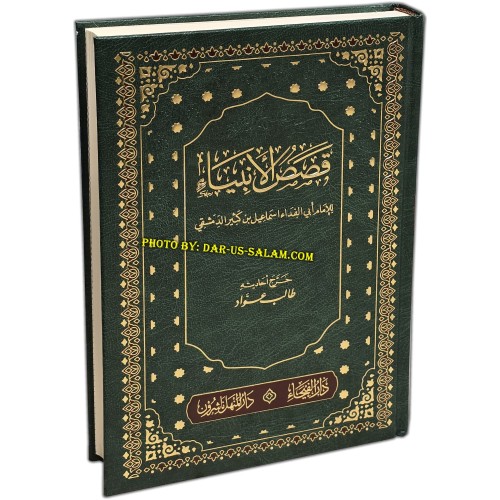
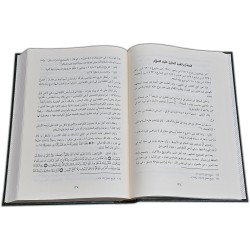
Qasas Al-Anbiya is the standard corrective, and this is the original Arabic.
Ibn Kathir's Method
He was an exegete and a historian, and he applied the standards of hadith criticism to historical material. Every event is supported from the Qur'an and the authentic Sunnah; where other sources were needed for continuity, he compared them against what is established rather than passing them on unexamined.
That discipline is the reason this work has held its authority for seven centuries, and the reason it is the version to put in front of students.
What Is Covered
Over two dozen Prophets in chronological order — Adam, Nuh, Hud, Salih, Ibrahim, Lut, Shu'ayb, Isma'il, Ishaq, Yusuf, Ayyub, Yunus, Musa, Dawud, Sulayman, Zakariyya, Yahya and 'Isa عليهم السلام and others — with their calls, the responses they met, the trials they endured and the profound spiritual lessons that follow.
Who It Is For
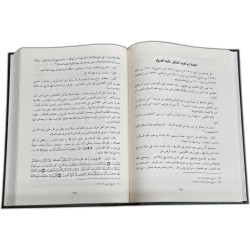
Arabic-reading families, educators and students. Anyone teaching these accounts who wants to be certain of what he is passing on. Arabic only.
Related Reading
الوصف بالعربية
قصص الأنبياء للإمام إسماعيل بن كثير رحمه الله (ت ٧٧٤ هـ)، بالنص العربي الأصلي.
وأخبار الأنبياء عليهم السلام مبثوثة في كل مكان، والصحيح منها عزيز. فقد دخلت في هذه الأخبار على مرّ القرون الإسرائيليات وحكايات القصّاص، وكثير مما يُتداول اليوم في الكتب والخطب ومجالس البيوت لا أصل له في الوحي.
وهذا الكتاب هو التصحيح المعتمد. فقد كان ابن كثير مفسّرًا ومؤرخًا، فأجرى على المادة التاريخية ميزان نقد الحديث: كل خبر مسنَد إلى القرآن والسنة الصحيحة، وما احتيج إليه من غيرهما لاتصال السياق عُرض على الثابت ولم يُنقل مجرّدًا.
ويشمل أكثر من عشرين نبيًّا على الترتيب الزمني من آدم إلى عيسى عليهم السلام، بدعوتهم وما لقوا وما ابتُلوا به وما في ذلك من العبر.


 (1)
(1)