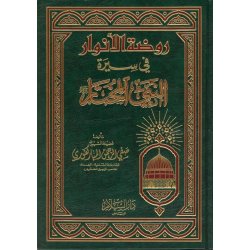
The same author, and a deliberately different book.
Shaykh Safi-ur-Rahman Al-Mubarakpuri wrote Ar-Raheeq Al-Makhtum as a work of history, with the sourcing and detail that won it first prize in the Muslim World League's worldwide Seerah contest. Rawdat Al-Anwar is his condensed treatment — the same life, told at a length a reader will complete.
Which One to Read
If you want the full historical apparatus, the chronology and the references, read Ar-Raheeq Al-Makhtum. If you want the life of the Prophet ﷺ conveyed clearly in a book you will finish, start here.
Many readers do both, in that order, and find the fuller work easier for having read this one first — the shape of the events is already in place, so the detail has somewhere to attach.
What It Retains
The sourcing discipline. Al-Mubarakpuri works from the Qur'an, the authentic Sunnah and reliable classical narrations in both books; what changes between them is the level of detail, not the standard of evidence.
Who It Is For
Arabic readers approaching the Seerah for the first time. Students and teachers who want a text short enough to work through in a term. Anyone who has started a full-length Seerah more than once without finishing it.
Related Reading
الوصف بالعربية
روضة الأنوار في سيرة النبي المختار صلى الله عليه وسلم للشيخ صفي الرحمن المباركفوري رحمه الله، صاحب «الرحيق المختوم».
وهو المؤلف نفسه بكتاب مختلف عن قصد. فـ«الرحيق المختوم» بحث تاريخي بتوثيقه وتفصيله، وهذا اختصار له — السيرة نفسها بقدر يتمّه القارئ.
فمن أراد التفصيل والتوثيق والمراجع فليقرأ «الرحيق المختوم»، ومن أراد سيرة النبي صلى الله عليه وسلم واضحة يفرغ منها فليبدأ بهذا. وكثير من القراء يقرأ الاثنين على هذا الترتيب فيجد الأول أيسر عليه بعد الثاني، لأن الأحداث قد استقرّت في ذهنه فوجد التفصيل موضعًا يتعلّق به.
وما لم يتغيّر بينهما هو شرط التوثيق: القرآن والسنة الصحيحة والروايات المعتمدة، وإنما تغيّر قدر التفصيل لا درجة الدليل.