Zad Al-Ma'ad is among the great books of the Islamic library, and one of the most unusual in how it was produced. Imam Ibn Al-Qayyim Al-Jawziyyah wrote it on the road — during the Hajj journey from Damascus to Makkah, away from his library, working largely from memory.
Several thousand incidents, hadith, verses, points of fiqh and the names of the Companions attached to each were set down remarkably close to accurate.
What the Work Does
It documents the life, practices and guidance of the Prophet ﷺ in matters of worship, conduct, daily routine and dealings — all from authentic sources.
Its distinguishing method is that it does two jobs at once: it explains the Sunnah through the Seerah, and the Seerah through the Sunnah. So a chapter on the Prophet's ﷺ guidance in prayer is neither a list of rulings stripped of their setting nor a narrative without conclusions. It is what he did, when, with the ruling drawn out of the incident.
The Abridgement
The original is enormous. This one-volume abridgement is by Shaykh Muhammad ibn Abdul-Wahhab, which is the reason to read this version rather than wait — the selection was made by a scholar whose judgment on what carries the argument can be trusted.
Related Reading
الوصف بالعربية
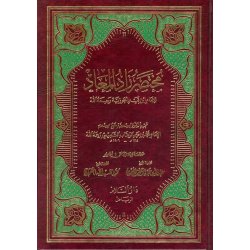
مختصر زاد المعاد للشيخ محمد بن عبد الوهاب رحمه الله، اختصار لكتاب زاد المعاد في هدي خير العباد للإمام ابن قيم الجوزية رحمه الله.
وقصة تأليف الأصل من عجائب هذا العلم: فقد كتبه ابن القيم في الطريق، في سفره إلى الحج من دمشق إلى مكة، بعيدًا عن كتبه، معتمدًا على حفظه — فأورد آلاف الوقائع والأحاديث والآيات ومسائل الفقه وأسماء الصحابة رضي الله عنهم، فجاء قريبًا من الصواب إلا في اليسير.
ويوثّق الكتاب هدي النبي صلى الله عليه وسلم في العبادة والمعاملة والسلوك وحياته اليومية من المصادر الصحيحة. وامتيازه أنه يشرح السنة بالسيرة والسيرة بالسنة معًا، فلا هو أحكام مجرّدة عن سياقها ولا سرد بغير فائدة. مجلد واحد.



 (1)
(1)