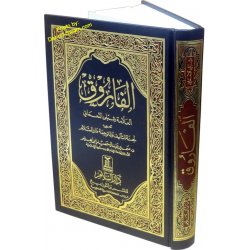
Al-Farooq is among the most influential biographies written of any Companion, and it made Allamah Shibli Nu'mani's reputation as a historian.
It takes its title from 'Umar's own — Al-Farooq, the one who separates truth from falsehood, given to him by the Prophet ﷺ.
What Distinguishes It
Shibli Nu'mani wrote as a historian rather than a panegyrist. The book examines the administration of the caliphate seriously: the register and the treasury, the appointment and accountability of governors, the establishment of an independent judiciary, the Hijri calendar, and the management of a state that expanded from Madinah across two former empires within a decade.
It is that institutional focus that made the work influential. A great many accounts of 'Umar رضي الله عنه consist of striking anecdotes; this one asks how the system he built actually worked.
The Justice
The anecdotes are here too, and they carry more weight for sitting inside a serious history. A ruler of an enormous state who slept under a tree, patrolled the city at night, and said he feared being questioned by Allah over an unpaved road near the Euphrates on which a mule might stumble.
Related Reading
الوصف بالعربية
الفاروق — سيرة عمر بن الخطاب رضي الله عنه للعلامة شبلي النعماني رحمه الله، من أشهر ما كُتب في سير الصحابة، وبه اشتهر مؤلفه مؤرخًا.
واسمه من لقب أمير المؤمنين رضي الله عنه: الفاروق، الذي فرّق الله به بين الحق والباطل.
ويمتاز الكتاب بأنه كُتب بعقل مؤرّخ لا بلسان مادح، فبحث في نظام الخلافة بحثًا جادًّا: الدواوين وبيت المال، وتولية الولاة ومحاسبتهم، وإنشاء القضاء المستقل، والتاريخ الهجري، وتدبير دولة امتدت من المدينة على أنقاض إمبراطوريتين في نحو عشر سنين.
وهذه العناية بالمؤسسات هي سبب أثره، إذ أكثر ما كُتب عن عمر رضي الله عنه أخبار مفرّقة، وهذا يسأل: كيف عمل النظام الذي بناه؟