Stories about the Prophets circulate everywhere and reliable ones are scarce. Over the centuries the accounts absorbed material from Israelite traditions and popular storytelling, and much of what is repeated today — in books, in sermons, in family retellings — has no basis in revelation at all.
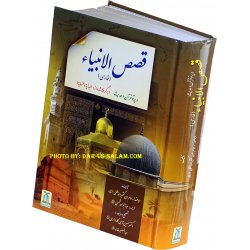
This is the standard corrective, in Farsi.
Where It Comes From
The stories have been compiled from Al-Bidayah wan-Nihayah — The Beginning and the End — the great work of the famous Muslim exegete and historian Imam Imaduddin Abdul-Fida Ismail Ibn Kathir Ad-Dimashqi, which holds a prominent place in Islamic literature.
Ibn Kathir's Method
The stories of the Prophets and all the events in their lives are supported by the Quranic verses and the Sunnah of the Prophet ﷺ. Wherever it was necessary, other sources have also been reported for the sake of the historical account — and reported as such, rather than passed off as established.
He was an exegete and a historian both, and he applied the standards of hadith criticism to historical material. That discipline is why the work has held its authority for seven centuries.
Who It Is For
Farsi-reading families, teachers and students. Anyone passing these accounts on to children who wants to be sure of what he is passing on.
Related Reading
توضیحات به فارسی
قصص الانبیاء به فارسی — داستانها و رویدادهای پیامبران الهی چنانکه در قرآن کریم آمده، نوشتهٔ امام ابن کثیر دمشقی رحمه الله. از آدم تا عیسی علیهم السلام.
داستانهای پیامبران همهجا نقل میشود و روایتهای معتبر کمیاب است. در گذر قرنها اسرائیلیات و افسانههای قصهگویان در این اخبار راه یافت، و بسیاری از آنچه امروز تکرار میشود هیچ پایهای در وحی ندارد.
این کتاب از البدایة والنهایة گرفته شده است. ابن کثیر هم مفسر بود و هم مورخ، و معیارهای نقد حدیث را بر مادهٔ تاریخی نیز به کار بست: هر رویداد به آیات قرآن و سنت صحیح مستند است، و هر جا به منبع دیگری نیاز بوده، همانگونه معرفی شده است.



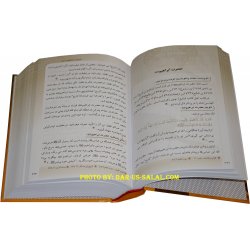
 (1)
(1)