
The 10 Blessed Days of Dhul Hijjah: Virtues, Worship & Action Items
By the Scholars & Editorial Team at Dar-us-Salam Publications | Topic: Dhul Hijjah • Hajj • Worship & Spirituality
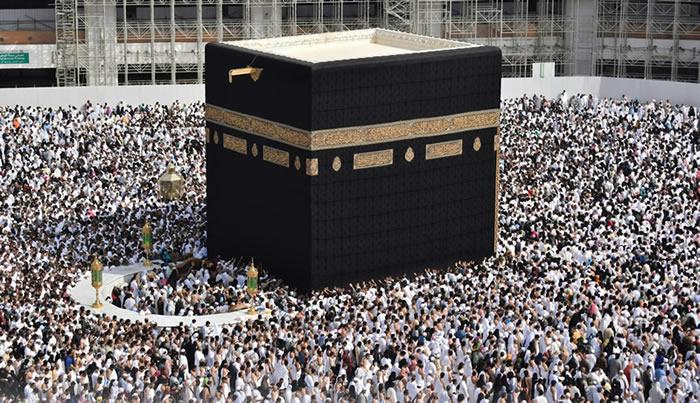
All praise is due to Allah, Lord of all worlds, who in His infinite mercy has blessed this Ummah with seasons of tremendous reward. Among the greatest of these blessed seasons are the first ten days of Dhul Hijjah — a period so exalted that Allah Himself swore an oath by it in the Noble Qur'an. Whether you are among the blessed pilgrims traveling to the House of Allah or you are at home fulfilling your daily obligations, these ten days represent an unparalleled window of opportunity to draw closer to your Lord, multiply your good deeds, and seek His forgiveness and pleasure.
What Are the Ten Days of Dhul Hijjah?
Dhul Hijjah is the twelfth and final month of the Islamic lunar calendar — the month of Hajj, the fifth pillar of Islam. The first ten days, from the 1st through the 10th (which includes the Day of Arafah on the 9th and Eid al-Adha on the 10th), are collectively described by the Prophet Muhammad ﷺ as the greatest days of the entire year. What makes them unique is the convergence of multiple pillars of Islam: prayer, fasting, charity, and Hajj — all available at once in a way that occurs in no other season of the Islamic calendar.
Qur'anic Evidence for the Virtue of These Days
1. The Divine Oath — Surah Al-Fajr (89:1–2)
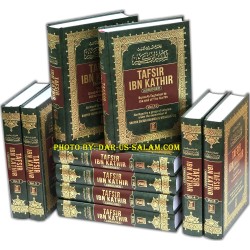
The scholars of tafseer — including Ibn Abbas, Ibn al-Zubayr, and Mujahid — held that "the ten nights" here are the ten nights of Dhul Hijjah. When Allah swears by something from His creation, it is to draw the servant's attention to its immense significance. To be singled out by a divine oath in the Book of Allah is itself a testimony to the greatness of these days. Deepen your understanding with our collection of Tafseer books.
2. The Appointed Days — Surah Al-Hajj (22:28)
Ibn Abbas (may Allah be pleased with him) explained that the "appointed days" (ayyāmun ma'lūmāt) are the ten days of Dhul Hijjah. Allah links the mention of His name — takbeer, tahleel, and tahmeed — specifically to these days as a divine command of worship and gratitude.
3. The Numbered Days — Surah Al-Baqarah (2:203)
The "numbered days" refer to the Days of Tashriq — the 11th, 12th, and 13th of Dhul Hijjah — which immediately follow the blessed ten. Together, the Qur'an frames the first half of Dhul Hijjah as an extended period of elevated worship and constant remembrance of Allah.
The Prophet's ﷺ Words on These Days
1. The Greatest Days for Righteous Deeds
This hadith places righteous deeds during these ten days above even voluntary jihad — the highest form of sacrifice in Islam. It should fill every Muslim's heart with urgency and a burning desire to seize this season.
2. The Command to Increase Dhikr
3. The Day of Arafah — Expiation of Two Years of Sins
No other voluntary fast carries this magnitude of expiation — two full years of minor sins wiped away in a single day. The 9th of Dhul Hijjah is the spiritual apex of these ten days.
4. Yawm al-Nahr — The Greatest Day of the Year
5. Mass Forgiveness on the Day of Arafah
The Takbeer of Dhul Hijjah
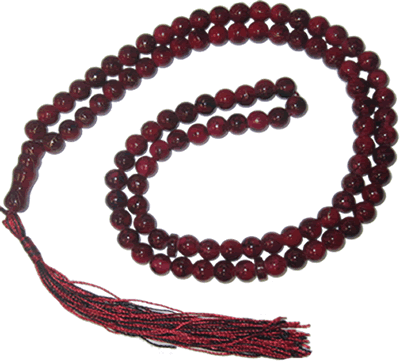
Among the distinguishing acts of these ten days is the Takbeer al-Mutlaq — the unrestricted proclamation of Allah's greatness at all times and in all places from the 1st of Dhul Hijjah onward — and the Takbeer al-Muqayyad after every obligatory prayer, beginning at Fajr on the Day of Arafah until Asr on the 13th of Dhul Hijjah. Ibn Umar and Abu Hurayrah (may Allah be pleased with them) would go to the marketplace and proclaim the takbeer aloud so that others would follow. This is a Sunnah that has largely faded — revive it in your home, your car, and your community.
The Crown of the Ten: Arafah & Eid al-Adha
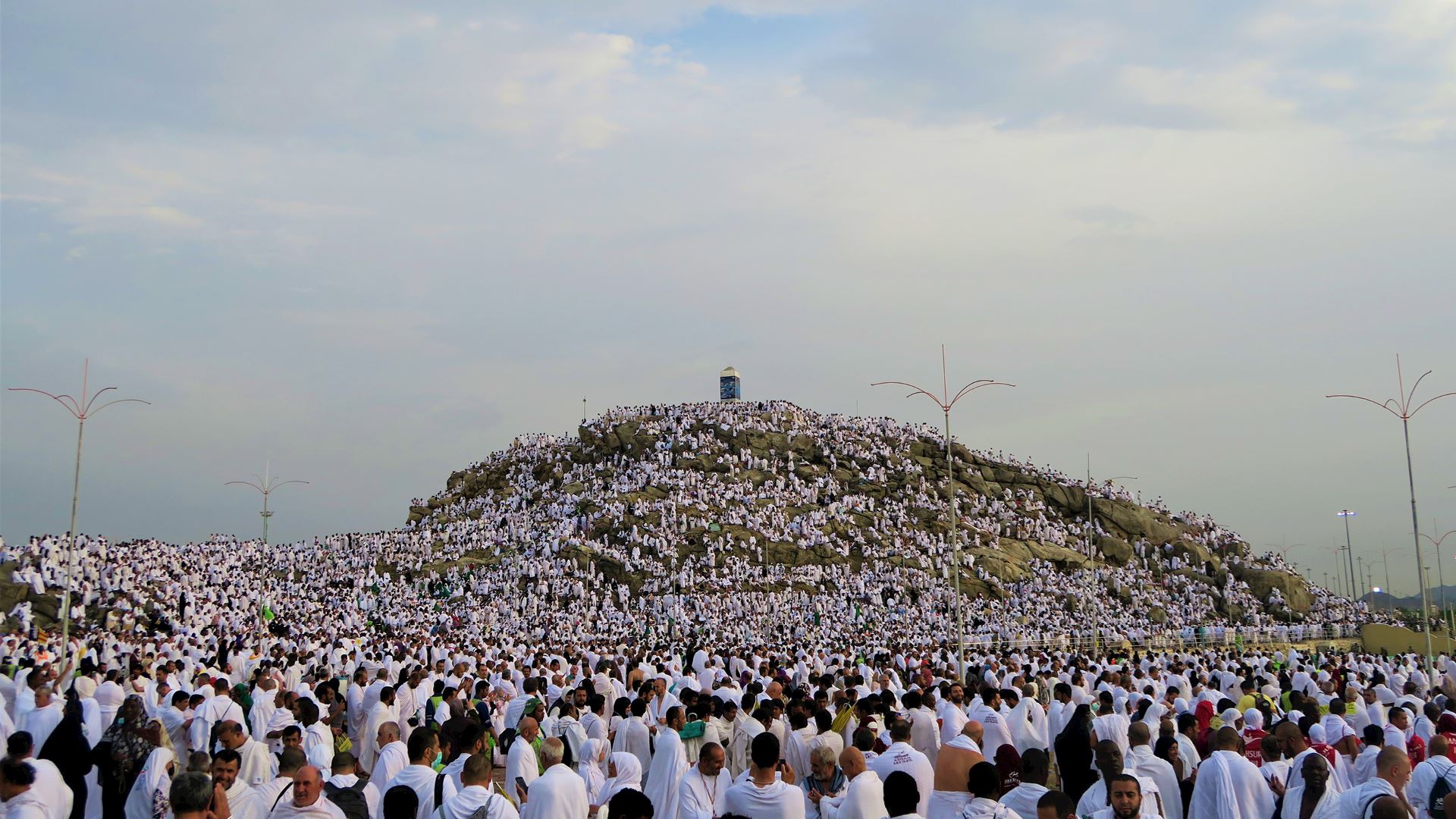
The Day of Arafah — 9th of Dhul Hijjah
The Day of Arafah is widely considered by scholars to be the greatest day of the Islamic year. Pilgrims gather on the plains of Arafah in humble supplication — the central and indispensable pillar of Hajj, without which the pilgrimage is invalid. For those at home, it is a day of fasting, du'a, and abundant dhikr. Note: those performing Hajj do not fast on this day, following the example of the Prophet ﷺ himself at Arafah.
Yawm al-Nahr — 10th of Dhul Hijjah (Eid al-Adha)
The 10th of Dhul Hijjah is the Day of Sacrifice. Muslims worldwide perform the udhiyah in commemoration of Prophet Ibrahim's (peace be upon him) supreme act of obedience. The Eid prayer is a confirmed Sunnah (Sunnah mu'akkadah). Attend in the largest available congregation, listen to the khutbah, and bring your children so they grow up connected to the spirit of this great day.
? Prepare With Knowledge — Recommended Dar-us-Salam Books
- Getting the Best Out of Al-Hajj — Comprehensive guide with pictures, diagrams & checklists
- How The Prophet ﷺ Performed Hajj — By Shaykh Ibn Baz (may Allah have mercy on him)
- 75 Q&A on Hajj & Umrah — Simple Q&A with easy-to-follow flowcharts
- Nature of Fasting — Rules and wisdom of fasting according to Qur'an & Sunnah
10 Action Items to Maximize These Blessed Days
Knowledge is only complete when it is acted upon. Below are ten practical acts of worship — grounded in authentic scholarship — to help you make the most of every single day.
? 1. Perform Hajj If It Is Obligatory Upon You
If Hajj has become obligatory — you are physically capable, financially able, and have safe passage — answering this call is the greatest act of these days. The Prophet ﷺ said: "The Hajj Mabrur has no reward except Paradise." (Bukhari no. 1773; Muslim no. 1349). Prepare with knowledge from our Hajj & Umrah books.
? 2. Fast — Especially the Day of Arafah (9th of Dhul Hijjah)
Fasting the first nine days is a recommended Sunnah. The Day of Arafah fast expiates two years of sins — making it the most virtuous voluntary fast of the year for those not on pilgrimage. Set your intention before the month begins. See our book Nature of Fasting for detailed rulings.
? 3. Fill Your Day With Dhikr (Tahleel, Takbeer, Tahmeed, Tasbeeh)
The Prophet ﷺ commanded increasing these words specifically during these days. Say them walking, driving, between tasks. Revive the Sunnah of proclaiming the takbeer aloud so others around you are reminded. Browse our Prayer & Supplication books for authentic du'a collections.
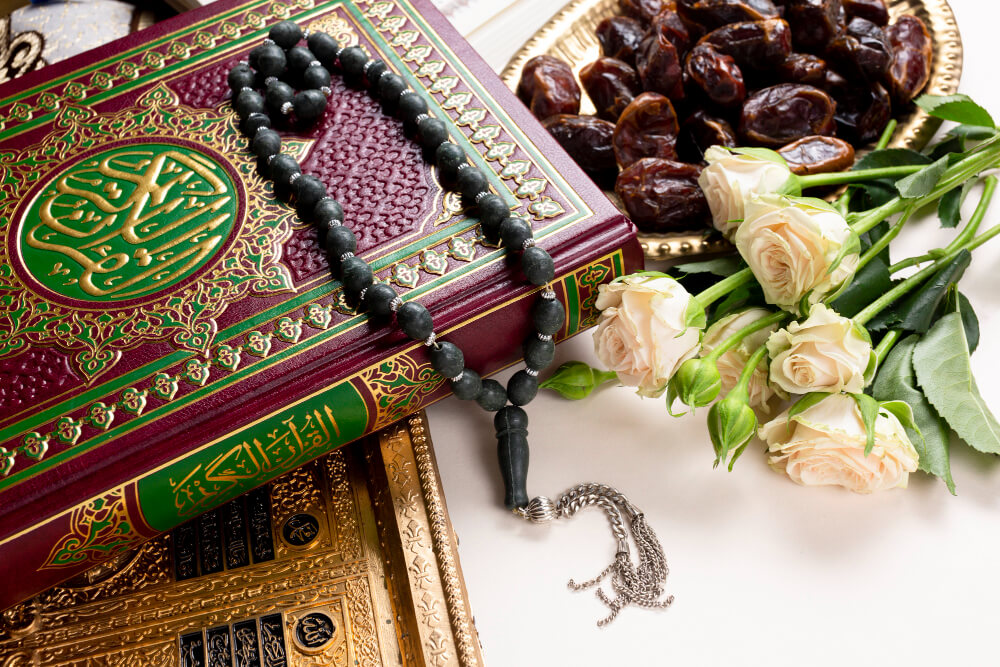
? 4. Increase Your Recitation of the Noble Qur'an
The Prophet ﷺ said: "Whoever reads one letter of the Book of Allah will have one good deed, and each good deed is multiplied by ten." (Tirmidhi no. 2910). With good deeds multiplied during these days, the reward of Qur'an recitation is exponential. Set a daily goal and recite with reflection. Explore our Noble Qur'an collection including color-coded Mushaf Tajweed editions.
? 5. Offer the Udhiyah (Sacrificial Offering)
The udhiyah on the 10th, 11th, or 12th of Dhul Hijjah is a confirmed Sunnah for those who are able. The Prophet ﷺ said: "There is nothing more beloved to Allah on the Day of Nahr than the spilling of blood (in sacrifice)." (Tirmidhi no. 1493). Important: Whoever intends to offer a sacrifice must refrain from cutting their hair, nails, or skin from the 1st of Dhul Hijjah until after slaughtering. (Muslim no. 1977)
? 6. Give Generously in Charity (Sadaqah) and Pay Zakah
The Prophet ﷺ said: "Sadaqah extinguishes sin just as water extinguishes fire." (Tirmidhi no. 2616). With good deeds multiplied, every dollar of charity carries extraordinary weight. If you have not paid your Zakah, calculate and pay it now. See our Simple Zakat Guide for step-by-step worksheets.
? 7. Attend the Eid al-Adha Prayer and Khutbah
On the morning of the 10th, pray Eid in the largest available congregation. The takbeer continues from Fajr on the Day of Arafah until Asr on the 13th after every obligatory prayer. Listen attentively to the khutbah and bring your children — let this be a memory they carry for life.
? 8. Repent Sincerely — Make Tawbah and Seek Istighfar
The Prophet ﷺ said: "Verily, Allah stretches out His Hand during the night to accept repentance of those who sinned during the day, and during the day for those who sinned at night — until the sun rises from the west." (Muslim no. 2759). Repeat frequently: أَسْتَغْفِرُ اللَّهَ وَأَتُوبُ إِلَيْهِ (Astaghfirullāha wa atūbu ilayh). Also read: 8 Ways to Get Closer to Allah.
? 9. Increase Voluntary Prayers and Night Prayer (Qiyam al-Layl)
Revive the two Sunnah rakahs before Fajr, the Duha prayer, and Tahajjud at night. On the night before Eid, worship is especially recommended — a narration states: "Whoever stands in prayer on the nights of the two Eids, his heart will not die on the day that hearts die." (Ibn Majah no. 1782). The voluntary deeds a servant offers are what bring him closer to the love of Allah (Bukhari no. 6502).
? 10. Seek Knowledge and Share It With Your Family
The Prophet ﷺ said: "Seeking knowledge is an obligation upon every Muslim." (Ibn Majah no. 224). Use these days to study the Sunnah and teach your children the takbeer and the story of Prophet Ibrahim (peace be upon him). Browse our Hadith & Sunnah collection and our Islamic books for children.
? Build Your Islamic Library
- Hadith & Sunnah Books — Authentic collections: Bukhari, Muslim, Sunan & more
- Prayer & Supplication Books — Authentic du'as for Arafah, Eid, and every occasion
- Fiqh (Islamic Law) Books — Rulings of udhiyah, fasting & Hajj from authentic scholarship
- Tafseer Books — Understand the Qur'anic verses of Dhul Hijjah in depth
- Aqidah & Creed — Strengthen the foundations of your faith
What the Scholars of Ahlus-Sunnah Said
Imam Ibn Hajar al-'Asqalani (may Allah have mercy on him) wrote in Fath al-Bari: "The apparent reason for the virtue of the ten days of Dhul Hijjah is that they are the time for the completion of the fundamental acts of worship — prayer, fasting, charity, and Hajj — and these do not converge in this way in any other period."
Imam Ibn al-Qayyim al-Jawziyyah (may Allah have mercy on him) stated in Zad al-Ma'ad: "The ten days of Dhul Hijjah are the best days of the year, better even than the days of Ramadan. And the nights of the last ten days of Ramadan are better than the nights of the ten days of Dhul Hijjah."
Shaykh Ibn al-Uthaymin (may Allah have mercy on him) advised Muslims to make a firm intention before these days arrive, plan their worship schedule in advance, and minimize distractions — especially entertainment — so the heart is fully free to turn toward Allah.
Conclusion: Do Not Let These Days Pass in Heedlessness
These ten days are not merely dates on a calendar — they are a gift from Allah to every believer who is still alive and still able to raise their hands in du'a. The righteous Muslims of old would weep as Dhul Hijjah drew to a close, mourning an opportunity they might never see again. Let that awareness settle in your heart now — before the month arrives — and let it ignite a sense of preparation and sincere intention.
Make a personal Dhul Hijjah plan: how many pages of Qur'an will you recite each day, which extra prayers will you offer, what charity will you give, is your udhiyah arranged? Write it down and share it with your family. Turn your home into a sanctuary of worship during these days.
And remember the words of the Prophet ﷺ: "Take advantage of five things before five others: your life before your death, your health before your illness, your free time before you become busy, your youth before your old age, and your wealth before your poverty." (Authenticated by al-Albani in Sahih al-Jami', no. 1077)
May Allah grant us all the tawfeeq to make the most of the ten blessed days of Dhul Hijjah. May He accept our fasting, our dhikr, our prayers, our sacrifices, and our charity. May He forgive all our sins and admit us and our families into Paradise by His mercy. Ameen.
— The Editorial & Scholarly Team, Dar-us-Salam Publications, Houston, Texas