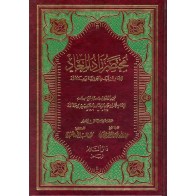
Sahih Al-Bukhari is the most authentic book after the Qur'an. Fath Al-Bari is the commentary the Ummah settled on as its explanation, and the scale of the achievement is difficult to overstate — Ibn Hajar Al-Asqalani worked on it for more than twenty-five years.
What the Commentary Does
Ibn Hajar takes each narration and works outward from it: the chain of transmission and the standing of every narrator; the variant wordings across other collections; the linguistic sense of the phrasing; the legal rulings derived and the differences among the jurists over them; the historical context; and the connection to the chapter heading Al-Bukhari chose — which is itself a subject of study, since Al-Bukhari's chapter titles carry his own legal positions.
That last element is characteristic. Much of Al-Bukhari's own fiqh is expressed only in how he titled and arranged his chapters, and Ibn Hajar is the scholar who unpacked it.
Its Standing
It is not merely a book. Later scholars described it as the work no student of hadith can do without, and the judgment has held for six centuries. Every serious commentary written since engages with it.
This Edition
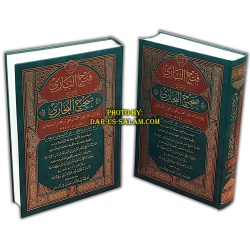
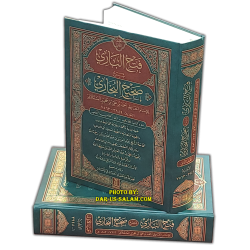
Two extra-large volumes, which is a considerable compression of a work usually printed in thirteen to fifteen. That makes it a reference set for a desk or a library rather than a reading copy — large page, dense typeface, built for consultation. Arabic only.
Related Reading
الوصف بالعربية
فتح الباري شرح صحيح البخاري للحافظ أحمد بن علي بن حجر العسقلاني رحمه الله، أعظم ما كُتب من الشروح على كتاب من كتب السنة بلا منازع، وقد أفنى فيه مؤلفه أكثر من خمس وعشرين سنة.
ويأخذ الحافظ الحديث فيدور به على وجوهه: الإسناد وحال كل راوٍ، واختلاف الألفاظ في سائر الكتب، ومعاني الألفاظ، والأحكام المستنبطة وخلاف الفقهاء فيها، والسياق التاريخي، وصلة الحديث بترجمة الباب التي اختارها البخاري — وهذا الأخير علم قائم بذاته، فإن كثيرًا من فقه البخاري إنما هو في تراجم أبوابه وترتيبها، وابن حجر هو الذي كشفه.
وقد قال من جاء بعده: إنه الكتاب الذي لا يستغني عنه طالب حديث، وبقي الحكم على ذلك ستة قرون.
وهذه الطبعة في مجلدين كبيرين جدًّا، وهو اختصار كبير لعمل يُطبع عادة في ثلاثة عشر مجلدًا فأكثر — فهو مرجع للمكتب والمكتبة بصفحته الكبيرة وخطّه الدقيق.



 (3)
(3)