The Day of Arafah: The Greatest Day of the Islamic Year — A Complete Guide for Those Not Performing Hajj
By the Scholars & Editorial Team at Dar-us-Salam Publications | Topic: Day of Arafah • Dhul Hijjah • Fasting • Du'a & Worship
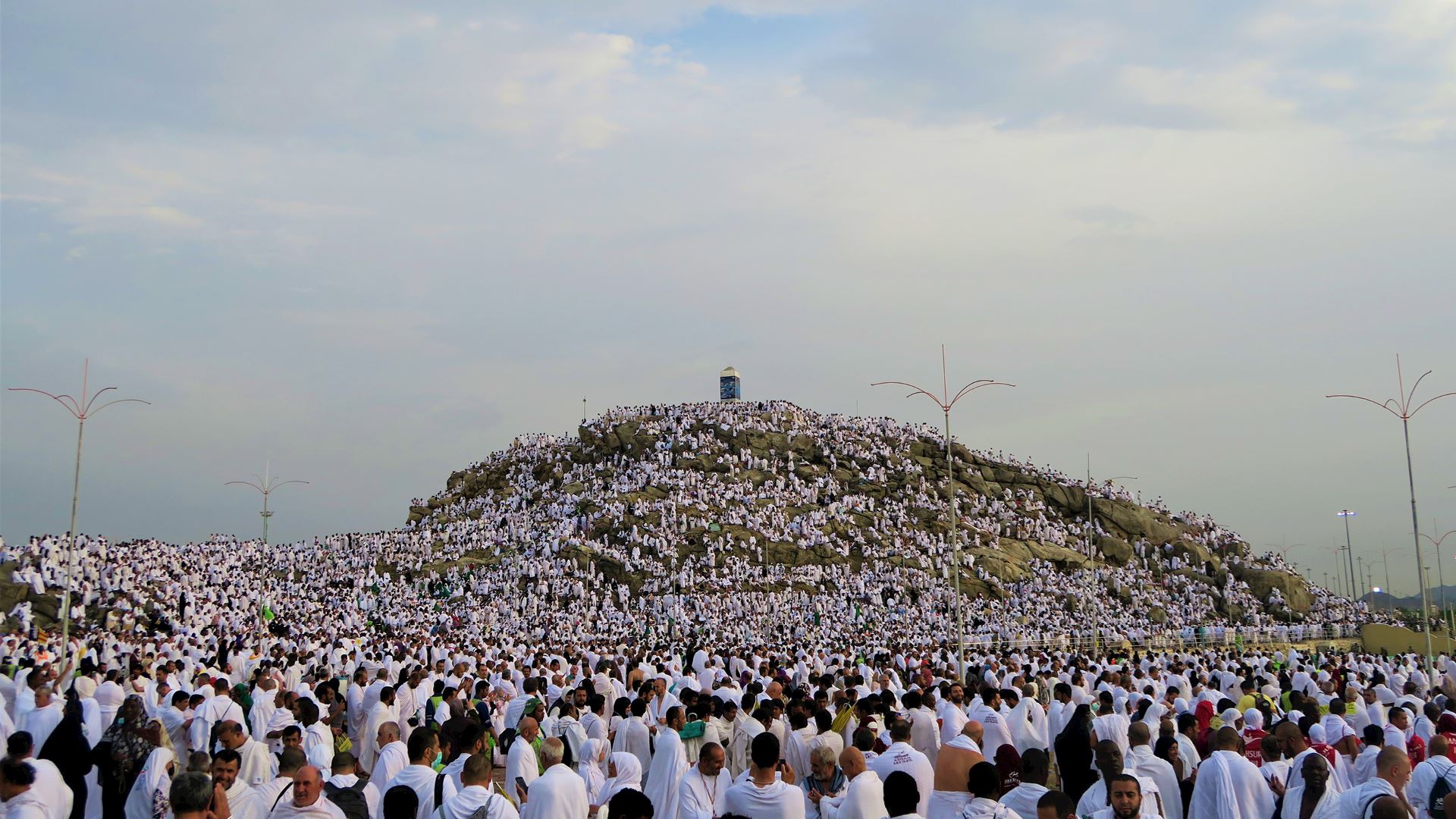
All praise is due to Allah, who has not left His servants without seasons of mercy, forgiveness, and unparalleled reward. Among all the days that Allah has blessed and distinguished, none is more magnificent in the sight of the Lord of all worlds than the Day of Arafah — the 9th of Dhul Hijjah. On this day, millions of pilgrims gather on a plain outside Makkah in the greatest annual gathering of souls on earth, weeping and supplicating to their Lord. But the mercy of Allah is not restricted to those who stand at Arafah. For those of us at home — in our cities, our offices, our homes — Allah has opened the doors of His vast mercy just as wide, and the action items He has given us to earn that mercy are clear, authentic, and within reach of every single Muslim.
This article is dedicated to you — the Muslim who is not at Hajj this year — so that you may not allow the greatest day of the year to pass while you are heedless.
Why Is the Day of Arafah So Great?
To truly honor this day, we must first understand why Allah has singled it out. The scholars of Ahlus-Sunnah point to several reasons for its supreme virtue:
First, it is on this day that Allah completed and perfected the religion of Islam. Second, it is the day on which more souls are freed from the Fire of Hell than any other day of the year. Third, it is the day on which Allah draws close to His creation, boasts of the pilgrims before His angels, and responds to du'a in a manner unlike any other. Fourth, fasting this day expiates the sins of two full years — a mercy unmatched by any other voluntary fast.
Imam Ibn al-Qayyim al-Jawziyyah said: "The Day of Arafah is the master of days." And indeed the Prophet ﷺ described it with words that should make every heart tremble with hope and urgency.
Qur'anic Evidence for the Greatness of This Day
1. The Perfection of the Deen — Surah Al-Ma'idah (5:3)
ٱلْيَوْمَ أَكْمَلْتُ لَكُمْ دِينَكُمْ وَأَتْمَمْتُ عَلَيْكُمْ نِعْمَتِى وَرَضِيتُ لَكُمُ ٱلْإِسْلَـٰمَ دِينًا
"This day I have perfected for you your religion and completed My favor upon you and have approved for you Islam as your religion." [Qur'an 5:3]
Umar ibn al-Khattab (may Allah be pleased with him) was once asked by a Jewish scholar: "If this verse had been revealed to us, we would have taken that day as a festival." Umar replied: "I know exactly on which day and in which place it was revealed — it was revealed to the Prophet ﷺ on the Day of Arafah, on a Friday." (Sahih al-Bukhari no. 45; Sahih Muslim no. 3017)
Thus the Day of Arafah saw the single most momentous proclamation in the history of humanity: the completion of Allah's religion. Every Muslim alive today is living under the covenant of a deen that was declared complete and perfected on this very day.
2. The Witnessed Day — Surah Al-Buruj (85:3)
وَشَاهِدٍ وَمَشْهُودٍ
"And by the witness and the witnessed." [Qur'an 85:3]
The Prophet ﷺ explained this verse directly: "The 'witnessed' day is the Day of Arafah, and the 'witness' is Friday." (Sunan al-Tirmidhi no. 3339; authenticated by al-Albani). When the Day of Arafah falls on a Friday — as it occasionally does — the scholars describe it as the "Grand Arafah" (Al-Hajj al-Akbar) whose reward is magnified even further. But in every year, regardless of the day of the week, Arafah is among the "witnessed" days of Allah — a day the angels, the prophets, and the entire creation have witnessed as a day of tremendous significance.
3. The Appointed Day — Surah Al-Hajj (22:28)
وَيَذْكُرُوا ٱسْمَ ٱللَّهِ فِىٓ أَيَّامٍ مَّعْلُومَـٰتٍ
"…and mention the name of Allah on the appointed (known) days." [Qur'an 22:28]
Ibn Abbas (may Allah be pleased with him) stated that the "appointed days" (ayyāmun ma'lūmāt) are the ten days of Dhul Hijjah, with the Day of Arafah at their spiritual apex. The divine command to mention Allah's name on these days is a direct instruction to every Muslim — pilgrim and non-pilgrim alike — to fill this day with dhikr, takbeer, and tahmeed.
The Prophet's ﷺ Words on Yawm Arafah
1. The Greatest Day Allah Frees Souls From the Fire
Aishah (may Allah be pleased with her) reported that the Prophet ﷺ said:
"There is no day on which Allah frees more of His slaves from the Fire than the Day of Arafah. He draws close and then boasts of them to the angels, saying: 'What do these people want?'"
Sahih Muslim no. 1348
Reflect on this carefully. On every Day of Arafah, Allah frees more souls from the Fire of Hell than on any other day of the entire year. And this divine liberation is not restricted to those physically present at Arafah — it encompasses every servant who turns sincerely to Allah on this day, wherever they may be. The question "What do these people want?" is not one of displeasure — it is the words of a Lord boasting of servants who have turned to Him, displaying their hope and trust in His generosity to His angels.
2. Two Years of Sins Expiated by a Single Fast
Abu Qatadah al-Ansari (may Allah be pleased with him) reported that the Prophet ﷺ was asked about fasting on the Day of Arafah. He replied:
"It expiates (the sins of) the previous year and the coming year."
Sahih Muslim no. 1162
There is no other voluntary fast in the entire Islamic calendar that expiates the sins of two years simultaneously. This is specific to the Day of Arafah for those who are not performing Hajj — and it is the greatest gift Allah has given to the non-pilgrim on this day. Scholars explain that the sins referred to are the minor sins; for major sins, specific tawbah is required. But the breadth and mercy of this expiation should leave no Muslim without a fasting intention on this day.
3. Hajj Centers on Arafah
Abdur-Rahman ibn Ya'mur (may Allah be pleased with him) reported that the Prophet ﷺ said:
"Hajj is Arafah. Whoever reaches Arafah before the dawn of the day of Nahr has completed his Hajj."
Sunan Abu Dawud no. 1949; Sunan al-Tirmidhi no. 889; authenticated by al-Albani
This hadith is one of the most famous in Islamic jurisprudence. The scholars use it to demonstrate that without the standing at Arafah (wuqoof), Hajj itself is invalid — it is the single indispensable pillar of pilgrimage. Allah made this day so central to the greatest act of Islam that missing it means missing Hajj entirely. This underscores just how significant and weighty this day is in the divine scales.
4. The Best Du'a Is the Du'a of Arafah
Amr ibn Shu'ayb reported from his father from his grandfather that the Prophet ﷺ said:
"The best supplication is the supplication of the Day of Arafah, and the best of what I and the Prophets before me have said is: 'Lā ilāha illAllāh waḥdahu lā sharīka lah, lahul-mulku wa lahul-ḥamdu wa huwa 'alā kulli shay'in qadīr.'"
Sunan al-Tirmidhi no. 3585; authenticated by al-Albani in Sahih al-Jami' no. 3274
"There is no god worthy of worship except Allah, alone, without any partner. To Him belongs all dominion and all praise, and He has power over all things."
The Prophet ﷺ called the du'a of Arafah the best du'a and identified this dhikr as the best of what all the Prophets said. For the non-pilgrim, there could not be a clearer directive: fill the Day of Arafah with this supplication, said with presence of heart, truly meaning each word.
5. Allah's Pride in the People of Arafah
Ibn Umar (may Allah be pleased with him) reported that the Prophet ﷺ said:
"When it is the evening of the Day of Arafah, Allah descends — as befits His majesty — and says: 'O My angels, look at My servants who have come to Me disheveled, dusty, and from every distant mountain pass. I call you as witness that I have forgiven them.'"
Musnad Ahmad no. 5973; authenticated by Ibn Hajar al-'Asqalani and al-Arna'oot
The image this hadith paints is one of the most humbling in all of Islamic literature: the Lord of all creation, descending in a manner befitting His majesty on this day, declaring a blanket forgiveness over those who have gathered for His sake. Every sincere Muslim, whether at Arafah or in their living room, who turns to Allah with a heart humble and hopeful on this day, is invited into this mercy.
An Important Note: Pilgrims Do Not Fast on Arafah
It is essential to note for clarity that the fast of Arafah is specifically for those who are NOT performing Hajj. The Prophet ﷺ himself did not fast on this day when he performed the Farewell Hajj — Umm al-Fadl (may Allah be pleased with her) reported that the Companions debated whether the Prophet ﷺ was fasting, so she sent him a cup of milk, and he drank it openly at Arafah. (Sahih al-Bukhari no. 1988; Sahih Muslim no. 1123). The wisdom is clear: the pilgrim needs full energy and strength to stand, supplicate, and complete the rites. His or her worship is already centered on Arafah itself.
For the rest of us — fasting on this day is among the greatest voluntary acts of worship we can perform in our lifetimes.
What the Scholars of Ahlus-Sunnah Said About Yawm Arafah
10 Practical Actions for Those Not Performing Hajj on the Day of Arafah
Knowledge without action is incomplete. Here are ten practical, Sunnah-grounded actions every non-pilgrim should undertake on this blessed day:
This is the single most important act for the non-pilgrim on this day. Set your intention the night before, as fasting requires an intention made before Fajr. The expiation of two years of minor sins — the year past and the year ahead — is a divine mercy of staggering generosity. If you are able to fast even one day this Dhul Hijjah, let it be the 9th. See our book Nature of Fasting for rulings and wisdom of voluntary fasting from Qur'an and authentic Sunnah.
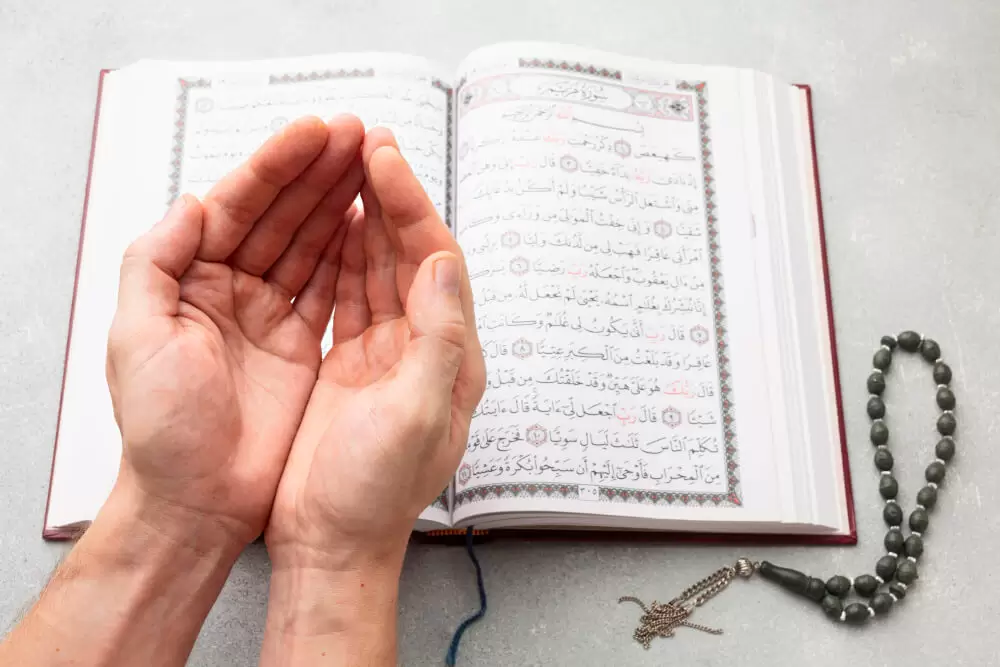
The Prophet ﷺ made du'a from Dhuhr until Maghrib on this day. The period from Dhuhr (midday) to sunset is the prime window for supplication. Put down your phone, step away from distractions, and pour your heart out to Allah. Ask for yourself, your parents, your children, your spouse, your community, and the entire Ummah. No du'a on this day is too great to ask — you are addressing a Lord who forgives more people from the Fire on this day than any other. Explore our Prayer & Supplication books for authentic du'a collections.
The Prophet ﷺ explicitly declared the best dhikr on this day to be: Lā ilāha illAllāhu waḥdah, lā sharīka lah, lahul-mulku wa lahul-ḥamdu wa huwa 'alā kulli shay'in Qadīr. Repeat it in your car, your kitchen, your place of work, between every prayer and every moment of quiet. Also continue the Takbeer al-Mutlaq from the 1st of Dhul Hijjah through this day: Allāhu Akbar, Allāhu Akbar, Lā ilāha illAllāh, WAllāhu Akbar, Allāhu Akbar, WalillāhilHamd.
On a day when Allah frees souls from the Fire, approach Him with a heart broken in repentance. True tawbah has three conditions: stopping the sin, genuine remorse, and a firm resolution not to return to it. For sins involving the rights of other people, add a fourth: restoring those rights or seeking forgiveness from the one you wronged. Say frequently: Astaghfirullāha wa atūbu ilayh (أَسْتَغْفِرُ اللَّهَ وَأَتُوبُ إِلَيْهِ). Let this day mark a turning point in your life.
The Prophet ﷺ said: "Whoever recites one letter of the Book of Allah will have one good deed, and each good deed is multiplied by ten." (Tirmidhi no. 2910). With good deeds magnified during these days, set a meaningful Qur'an goal: at minimum a juz (one part), and ideally more. Recite slowly, reflect on the meanings, and let the words penetrate your heart. Consider keeping your Mushaf open beside you throughout the afternoon as you alternate between dhikr, du'a, and recitation. Browse our Noble Qur'an collection including beautifully printed color-coded Mushaf Tajweed editions.
The Prophet ﷺ said: "Sadaqah extinguishes sin just as water extinguishes fire." (Tirmidhi no. 2616). On a day when Allah opens the doors of His forgiveness, let your generosity mirror the generosity of your Lord. Give to the masjid, to the poor, to a student of knowledge, to orphans. If you have not yet paid your Zakah, calculate it and fulfill your obligation. Even feeding someone their iftar — should any fasting people be near you — carries tremendous reward. Consult our Simple Zakat Guide for detailed worksheets.
The foundation of this day must be the five obligatory prayers, prayed in their proper times with full focus and khushu'. If you normally pray at home, consider attending Dhuhr and Asr at the masjid on this day. Add the two Sunnah rakahs before Fajr, Duha prayer (between sunrise and midday), and if your schedule permits, Qiyam al-Layl (night prayer) the night before Arafah. On a day of divine nearness, draw as close to Allah as possible through prayer — the closest a servant comes to his Lord is in sujood.
The mercy of Arafah was not intended for individuals in isolation. Gather your spouse, your children, your parents. Teach your children the takbeer and the dhikr of Arafah. Sit together after Asr and make du'a as a family — du'a for each other, for the Ummah, for the pilgrims at Arafah. Let your children see you weeping in du'a, for these are images that will live in their hearts for decades. Turn your home on this day into a sanctuary of remembrance. Browse our Islamic children's books to teach them the story of Prophet Ibrahim (peace be upon him) and the meaning of these days.
The Prophet ﷺ said: "Whoever intends to offer a sacrifice and Dhul Hijjah begins, let him not cut his hair or his nails until he has offered his sacrifice." (Sahih Muslim no. 1977). The udhiyah is offered on the 10th, 11th, or 12th of Dhul Hijjah — but the intention should be made and arrangements confirmed before the 1st. The Day of Arafah is the ideal time to confirm that your sacrifice will be offered, and to renew the intention for it with sincerity. Consult our Fiqh books for detailed rulings on udhiyah.
The Prophet ﷺ said: "Seeking knowledge is an obligation upon every Muslim." (Ibn Majah no. 224). The Day of Arafah is an ideal opportunity to read about Hajj, about tawheed, about the life of the Prophet ﷺ — deepening your connection to the rites and their meaning even as the pilgrims live them. Knowledge increases sincerity, and sincerity is what transforms ordinary actions into acts of worship accepted by Allah. Browse our comprehensive Hadith & Sunnah collection and our Aqidah & Creed books.
The Du'a You Should Not Leave This Day Without Making
The scholars recommend that on the Day of Arafah, a Muslim should make du'a for:
- Forgiveness — for all sins, known and unknown, major and minor
- Firm faith — a heart that remains steadfast until death
- A good ending (husnul-khātimah) — death upon Islam and with the shahādah on the tongue
- Al-Firdaws al-A'lā — the highest rank of Paradise
- Safety from the Fire — ask Allah specifically to free you from it on this day
- Your parents — whether living or deceased
- The Ummah — for unity, guidance, and liberation from oppression
- The pilgrims at Arafah — ask Allah to accept their Hajj and forgive them
And then close with the most comprehensive du'a of the Qur'an:
"Our Lord, give us good in this world and good in the Hereafter, and protect us from the punishment of the Fire."
[Qur'an 2:201 — The Prophet ﷺ made this du'a often; Sahih al-Bukhari no. 4522]
? Recommended Books to Prepare for the Day of Arafah
Conclusion: Do Not Let Arafah Pass While You Sleep
The pilgrims on the plain of Arafah will weep today. They will raise their hands until their shoulders ache. They will stand under the open sky, disheveled and yearning, hoping to be among those Allah frees from the Fire. And Allah, in His infinite generosity, will answer — for He has promised to answer the du'a of Arafah.
You are not physically at Arafah. But your heart can be. Your du'a can reach the same Lord who hears the du'a of the millions standing on that plain. The same Allah who forgives the pilgrims can forgive you. The same mercy that descends on Arafah reaches every honest, repentant heart on the face of this earth.
So fast this day. And if you cannot fast due to illness or another valid excuse, then fill it to overflowing with dhikr, du'a, recitation of Qur'an, repentance, and charity. Make a du'a list the night before. Wake before Fajr with your heart ready. And as the sun begins to set on the Day of Arafah — let it not set on a single major sin you have not asked forgiveness for, a single door of goodness you have not knocked on, or a single tear you have not shed in hope of your Lord's mercy.
The Prophet ﷺ said: "Take advantage of five before five: your life before your death, your health before your illness, your free time before you become busy, your youth before your old age, and your wealth before your poverty." (Authenticated by al-Albani in Sahih al-Jami', no. 1077)
May Allah grant every Muslim reading these words a Day of Arafah filled with His remembrance and acceptance. May He free us and our families from the Fire. May He grant us al-Firdaws al-A'lā, in the company of the Prophet ﷺ, the Siddiqeen, the Shuhada', and the Saliheen. Ameen.
— The Editorial & Scholarly Team, Dar-us-Salam Publications, Houston, Texas