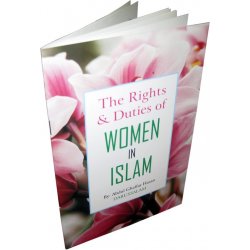
The rights of women in Islam is a subject discussed constantly and studied rarely. Around it have gathered controversy, personal opinion and plain ignorance — some of it from critics of Islam, a good deal of it from Muslims who defend cultural practice under a religious label.
Scholars have written on the topic before. What remained needed was something that took in the wider picture and could be read quickly, and that is what this booklet does.
Both Halves of the Question
The title is deliberate. Most treatments take one side: either a list of rights, presented defensively; or a list of duties, presented as though a woman's obligations were the whole subject. The booklet gives both, because in Islam they are not separable — every right one party holds is a duty on someone else, and a woman is on both sides of that arrangement.
Covered are her standing before Allah, which is identical to a man's in reward and accountability; her rights in property, inheritance, education, consent to marriage and maintenance; and her obligations toward Allah, her husband, her parents, her children and the wider community.
Where the Misconceptions Come From
The booklet is direct about a point often avoided: a great deal of what is defended as Islamic treatment of women has no basis in the Qur'an or the Sunnah, and survives because nobody checked. Separating what revelation established from what a particular culture added is most of the work — and it answers the outside critic and corrects the inside practice at the same time.
Who It Is For
Muslim women wanting to know what they are actually entitled to. Husbands, fathers and brothers with obligations they may never have had spelled out. Da'wah workers who meet these objections constantly. Non-Muslims who have heard a great deal about the subject and read nothing on it. Short and inexpensive enough to hand out.
Related Reading



 (4)
(4)