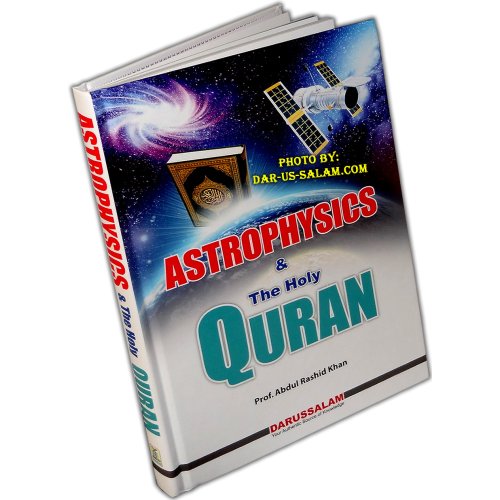
We live in the age of science, and intelligent people want to know where they came from and where the universe came from. The author lists the questions he set out to answer, and the list is the best summary of the book:
- Where did we come from? Where did the universe come from?
- Will the universe end, and if so, how?
- Is it static or dynamic — and if dynamic, is it expanding or contracting?
- What is time? When did it begin? Will it end?
- What are black holes?
- What are the forces of nature?
- What is the smallest piece of matter?
- What is the status of man in the universe?
- Are there ultimate limits to what human beings can know?
Why He Wrote It
His observation is blunt and, for a great many readers, accurate. The majority of people — particularly in the developing world — cannot answer these questions. Asked, most respond with a shrug, or with something vague and half-remembered.
That is not a failure of intelligence. It is that nobody ever laid it out for them, in their own frame of reference, at a length they would finish.
How He Answers
On the basis of the Holy Qur'an together with scientific knowledge, the author has tried his best to answer each question in turn — which is a more honest formulation than most books on this subject offer, and it sets the right expectation.
The last question on his list is the one that gives the book its character. Asking whether there are ultimate limits to human knowledge is not a question physics can settle, and a book that raises it has understood what it is doing.
Who It Is For
Muslim students in the physical sciences. Readers interested in cosmology who would like it approached from within their own tradition. Teachers. Older children and teenagers who ask exactly these questions and get shrugged at.
Related Reading