The Qur'an is a book of guidance for all humanity, and Allah has promised to preserve it in its original form until the Day of Judgment. Its inimitable style and the wisdom it carries are themselves evidence that it is the Word of God.
Alongside those, it contains verses of another kind — statements about the physical world that no one in the seventh century was in a position to make.
The Question the Book Asks
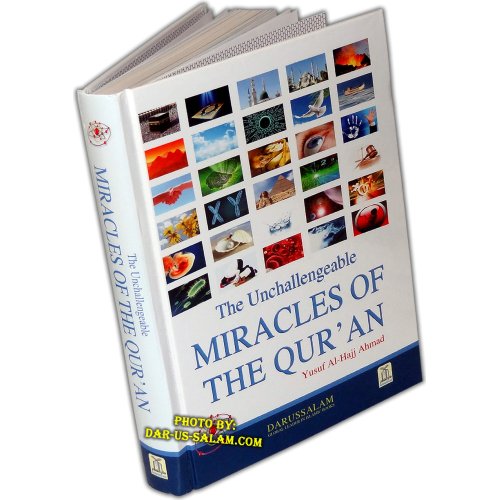
The Qur'an is not a science textbook and does not present itself as one. But it clearly states a number of scientific truths that were only uncovered with the help of modern technology in the twentieth century. How are numerous facts of that kind present in verses delivered more than 1,400 years ago?
The book does not answer for the reader. It presents the verses, sets out what is now established, and leaves the question where it belongs.
What Scientists Have Said
Time after time, respected scientists and specialists from around the world, on studying these verses, have concluded that there was no means of knowing these things at the time — and that the only route by which they could have reached us is revelation.
Testimony of that kind carries weight precisely because it comes from people with no interest in the conclusion, and it is one of the reasons this material works with skeptical readers where argument does not.
Who It Is For
Non-Muslims with a scientific background. Muslim students meeting the claim that faith and science are opposed. Da'wah workers. And Muslim readers generally — there is a particular effect in reading a verse you have recited for years beside the finding that matched it.
Related Reading


 (3)
(3)