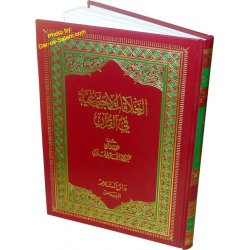
Islam is often studied as a set of vertical obligations — what a person owes his Creator. The horizontal half is legislated just as thoroughly, and this study takes it as its subject.
What It Examines
Shaykh Abdullah Al-Hamad Al-Jalali works through the relationships the Qur'an addresses directly: between spouses, between parents and children, with relatives and the ties of kinship, with neighbors, with orphans and the poor, within the wider Muslim community, and with those outside it.
For each, the Qur'an specifies rights and duties rather than general goodwill — and reading them gathered together rather than encountered scattered through the mushaf makes the coherence of the arrangement visible.
Why the Approach Matters
The pattern that emerges is that these obligations interlock. A right one person holds is a duty resting on another, and almost everybody stands on both sides at once. Read that way, the social legislation of Islam stops looking like a list of instructions and starts looking like a structure.
Who It Is For
Arabic readers interested in the Qur'an's treatment of society. Students of Islamic studies and the social sciences. Imams and teachers preparing material on family and community obligations.
Related Reading
الوصف بالعربية
العلاقات الإجتماعية في القرآن للشيخ عبد الله الحمد الجلالي، دراسة في الروابط التي بين الناس كما قرّرها القرآن الكريم.
وكثيرًا ما يُدرس الإسلام على أنه حقوق لله على العبد وحدها، والشقّ الآخر — حقوق العباد بعضهم على بعض — مقرَّر في الوحي بمثل ذلك التفصيل، وهو موضوع هذا الكتاب.
يتناول العلاقة بين الزوجين، وبين الوالدين والأولاد، وصلة الأرحام، وحق الجار، واليتيم والفقير، والعلاقة داخل المجتمع المسلم ومع غير المسلمين. ويتبيّن للقارئ حين تُجمع هذه الآيات في موضع واحد أن الأمر بناء متماسك لا مجرد وصايا متفرقة، وأن كل حق لأحد هو واجب على غيره، وأن أكثر الناس على الطرفين معًا.