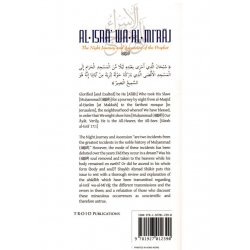
"Glorified (and Exalted) be He Who took His slave (Muhammad ﷺ) for a journey by night from Al-Masjid al-Haram (in Makkah) to Al-Masjid al-Aqsa (in Jerusalem), the neighborhood whereof We have blessed, in order that We might show him of Our Ayat. Verily, He is the All-Hearer, the All-Seer." [Surah al-Isra 17:1]
The Night Journey and Ascension are two of the greatest incidents in the noble history of the Messenger of Allah ﷺ — a single night in which he was taken from Makkah to Jerusalem, and from there raised through the heavens to a station no other created being has reached.
Why This Night Stands Apart
Because nothing else in the Seerah compares to it in scale. In one night the Prophet ﷺ traveled a distance that ordinarily took weeks, led the previous prophets in prayer at Al-Masjid al-Aqsa, and was shown sights beyond the seventh heaven — and returned before morning, to a Makkah that mostly refused to believe him.
That refusal is itself part of the lesson: the journey came at the hardest point of his mission, after the deaths of his wife Khadijah and his uncle Abu Talib, as a direct consolation from Allah at the moment it was most needed.
What Was Given That Night
The five daily prayers were made obligatory during the Ascension — reduced, by the mercy of Allah and at Musa's عليه السلام repeated urging, from fifty to five, while carrying the reward of fifty.
Who It Is For
Any Muslim wanting a clear, well-sourced account of one of the most significant nights in Islamic history — and a reminder of what the prayer actually cost to establish.
Related Reading



 (3)
(3)