"Indeed, in the Messenger of Allah you have an excellent example for whoever hopes in Allah and the Last Day and remembers Allah often." (Surah Al-Ahzab 33:21)
Most Muslims take that verse to be about the major matters — how to pray, how to fast, how to conduct themselves in the serious moments. The Prophet ﷺ left guidance for those, and also for almost everything else.
The Argument
Waking in the morning. Performing wudu. Praying. Eating and drinking. Greeting people. Remembering Allah. Dealing with family. Traveling. Going to sleep.
Every one of these actions is going to happen today regardless. Performed according to the Sunnah, each becomes an act of worship — which means the difference between a person who knows these and one who does not is, by the end of a year, an enormous quantity of reward for a day that was identical in every other respect.
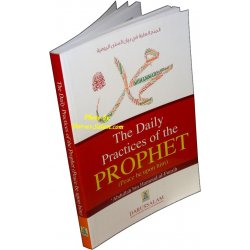
Following the Sunnah is not confined to the major acts of worship. It extends into every moment of a believer's day, and this book demonstrates that concretely rather than asserting it.
Practical Rather Than Theoretical
Shaykh Al-Furaih is not writing about the status of the Sunnah. He is compiling the specific practices, from authentic narrations in the Qur'an and Sunnah, in the order a day actually unfolds — which is what makes the book usable rather than admirable.
The secondary effect is the one readers report. Implementing these consistently cultivates sincerity, mindfulness and love for the Messenger ﷺ, because a person who follows someone in the small things thinks about him more often.
Who It Is For
Anyone who wants more worship in the day and cannot find room for it — the answer is usually here. New Muslims building habits from the start. Families teaching children. Readers who have meant to revive the neglected Sunnahs and needed them gathered in one place.
Related Reading



 (2)
(2)