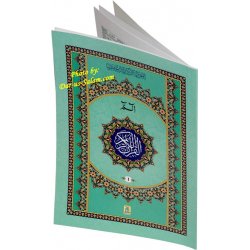
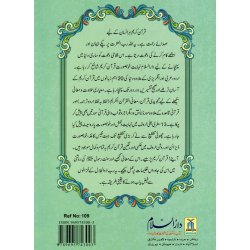
Juz 1 — Alif Lam Meem — sold on its own, which is a deliberately useful thing to offer.
Why Juz 1 Alone
Because it is where a student begins, and because a single thin part is a completely different proposition from a full mushaf for someone who has just learned to read.
It opens with Surah Al-Fatihah, which every Muslim recites at least seventeen times a day, and continues into Surah Al-Baqarah — so a beginner is reading text he already half knows by ear from prayer. Succeeding on the first attempt is what determines whether someone continues.
It is also the cheapest way to find out whether the 13-line layout suits a reader before committing to a full copy or a thirty-part set.
The Format
13 lines per page keeps the font large and the page uncluttered, and the two-color printing separates the text from the markings. Individual parts are easy for a child to carry and easy to replace when they get worn.
About the Indo-Pak Script
Also called Persian or Pakistani script, these are the letterforms taught across Pakistan, India and Bangladesh. They differ noticeably from the Uthmani script used in Arab editions, and a reader who learned one finds the other slower — particularly when reciting from memory.
If you or your children learned to read the Quran in the subcontinent, or in a madrasah following that tradition, this is the script to stay with.
Related Items