An-Nawawi's forty hadith are memorized everywhere and understood unevenly. They were selected precisely because each carries a principle rather than a single ruling — which makes them short to learn and difficult to exhaust.
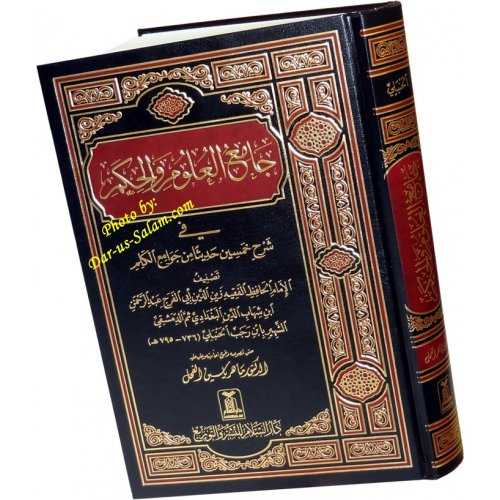
Ibn Rajab Al-Hanbali wrote the commentary that opens them up, adding ten further narrations to make fifty.
What Makes It Exceptional
Most hadith commentaries do one thing well. This one combines four: exegesis of the text, linguistic analysis, the practical rulings derived, and the purification of the heart that the narration calls for.
That combination is rare because it is hard. A jurist tends to stop at the ruling; a writer on the heart tends to skip the evidence. Ibn Rajab — a scholar of hadith and fiqh in the Hanbali school, and a student of the circle of Ibn Al-Qayyim — does both without loosening either.
How It Is Used
It is a standard part of the curriculum in hadith and aqidah programs across the Muslim world, and it is equally read privately. Printed here in a clear Arabic font suited to madaris, universities and personal libraries.
For anyone wanting the Prophetic teachings understood whole — outward rulings and inward purification together — this is among the essential books.
الوصف بالعربية
جامع العلوم والحكم في شرح خمسين حديثًا من جوامع الكلم للحافظ ابن رجب الحنبلي رحمه الله (ت ٧٩٥ هـ).
وأربعون النووي محفوظة في كل مكان، مفهومة على تفاوت. وإنما اختيرت لأن كل حديث منها يحمل قاعدة لا حكمًا واحدًا — فهي قصيرة الحفظ عسيرة الاستقصاء. وقد شرحها ابن رجب وزاد عليها عشرة فتمّت خمسين.
وأكثر شروح الحديث تُحسن جانبًا واحدًا، وهذا الشرح يجمع أربعة: تفسير النصّ، والتحليل اللغوي، واستنباط الأحكام العملية، وتزكية القلب التي يدعو إليها الحديث.
وهذا الجمع عزيز لأنه شاقّ: فالفقيه يقف عند الحكم، والكاتب في الرقائق يتجاوز الدليل. وابن رجب — وهو محدّث فقيه على مذهب الحنابلة، من طبقة تلاميذ ابن القيم — يجمع بينهما من غير إخلال بأحدهما.
وهو من مقرّرات الحديث والعقيدة في المدارس والجامعات في العالم الإسلامي، ويُقرأ كذلك قراءة شخصية. مطبوع بخطّ عربي واضح.


 (1)
(1)