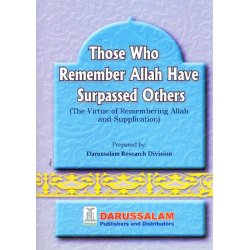
The title is taken from a hadith. The Prophet ﷺ asked his Companions whether he should tell them of the best of their deeds — purer before their Lord than spending gold and silver, and better for them than meeting their enemy and striking their necks. They said yes. He said: the remembrance of Allah.
That comparison is startling enough to be worth sitting with, and it is the subject of this booklet.
Why Dhikr Is Singled Out
Every other act of worship has conditions attached: prayer requires purification and its time, fasting requires the month, Hajj requires the means and the season, charity requires wealth. Dhikr requires nothing. It can be performed while walking, working, waiting, lying ill, or unable to move at all.
That accessibility is the point. Allah has made the most rewarded act the one nobody can be prevented from doing — which means a person's share of it is decided entirely by whether he chooses to.
What It Produces
The booklet sets out what the texts attach to remembrance: hearts finding rest, the removal of anxiety and grief, forgiveness of sins, protection, the mention of a person by Allah in a better gathering than his own, and the weight it carries on the Day of Judgment. It also covers the plainest measure — the difference between the one who remembers his Lord and the one who does not, likened to the difference between the living and the dead.
Its Forms
Remembrance is broader than a set of phrases. It includes tasbih, tahmid, takbir and tahlil; istighfar; salah upon the Prophet ﷺ; recitation of the Qur'an; the supplications attached to particular moments; and the state of a heart that keeps Allah in view while occupied with something else. The booklet covers the forms and their virtues without turning them into a checklist.
Who It Is For
Muslims who want more worship in the day and cannot find room for it — the answer is usually here. New Muslims. Anyone carrying anxiety or grief. Youth groups and study circles. Short enough to read at once and better used as something to return to.
Related Reading



 (3)
(3)