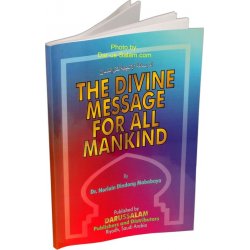
Most people who have an opinion about the Qur'an have never read it. They have read about it — in commentary, in news coverage, in argument — and formed a view from the description rather than the thing described. This book asks them to go to the source.
Addressed to Everyone
The address is deliberately universal: every race, every socio-economic and cultural background, every existing belief, in every part of the world. The Qur'an presents itself as guidance for mankind rather than for a particular people, and the book takes that claim seriously enough to write to the audience it names.
In practical terms it is a doorway to the Book of Allah. It explains what the Qur'an says it is, why it should be examined by anyone concerned with the question of purpose and destination, and what a reader should expect on opening it.
Why This Approach Works
Comparative argument has limits. It tends to put the other person on the defensive, and the conversation becomes a contest nobody concedes. An invitation does something different: it hands the responsibility back. Read it yourself, and decide.
For a reader with a genuine question, that is more respectful than being argued at — and considerably more effective.
Who It Is For
Non-Muslims who are curious rather than combative. Muslims looking for something to give a colleague or neighbor that does not open with a challenge. Da'wah tables, campus societies and outreach programs, where the aim is usually to get someone to the Qur'an rather than to win a discussion.
It also reads well for Muslims. Being reminded what the Book in your house actually is has a way of changing how you next open it.
Related Reading