Within a generation of the Prophet's ﷺ death, armies from a peninsula that had never been unified defeated two of the great empires of the age. The men who led them were not professional soldiers by background. They were merchants, herdsmen and former slaves who had been trained by the Messenger of Allah ﷺ in something other than tactics.
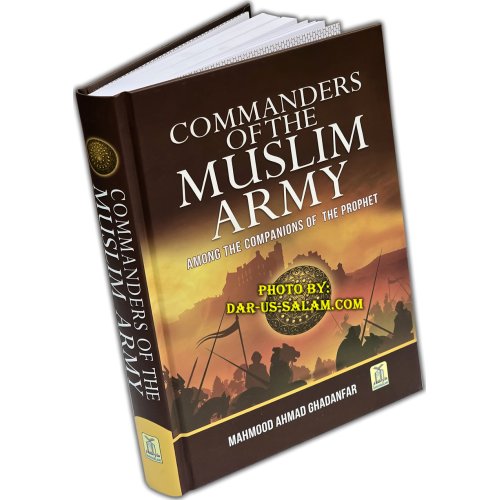
Mahmood Ahmad Ghadanfar is interested in that training, which is what makes this 392-page volume a book of biography rather than of battles.
Who Is Covered
More than twenty commanders, among them Khalid ibn Al-Walid, Abu 'Ubaydah ibn Al-Jarrah, Sa'd ibn Abi Waqqas, 'Amr ibn Al-'As, Usamah ibn Zayd, Ja'far ibn Abi Talib, Zayd ibn Harithah, Hudhayfah ibn Al-Yaman, 'Ikrimah ibn Abi Jahl and Al-Qa'qa' ibn 'Amr رضي الله عنهم.
The range is instructive in itself. Usamah commanded an army in his late teens. 'Ikrimah had fought against the Muslims at Badr and Uhud before accepting Islam and dying in their service. There was no single path to that role.
What Made Them Commanders
The qualities the author identifies are the ones the Prophet ﷺ cultivated in them: firm faith, courage, humility, justice, patience, generosity, strategic sense, and complete reliance on Allah. He also shows how the Prophet ﷺ trained them — in discipline, in ethics, and in shura, consultation before decision.
Conduct in War
A substantial part of the book concerns the ethics these men fought by: the honoring of treaties, mercy toward civilians, the prohibitions on harming those not fighting and on destroying what sustains life, and justice extended even to an enemy. This was not restraint imposed on them from outside; it was obedience to specific commands, and they observed it while winning.
Who It Is For
Students of Islamic history, educators and researchers. Young Muslim men looking for models of leadership that are neither soft nor brutal. Study circles and school libraries. Written in an engaging style, well documented from the Qur'an, the Sunnah and reliable classical sources.
Related Reading



 (2)
(2)