Al-Ajurrumiyyah is a few pages long, it has been memorized by students of Arabic since the fourteenth century, and almost nobody understands it on a first reading. It is a summary written to be explained, not read.
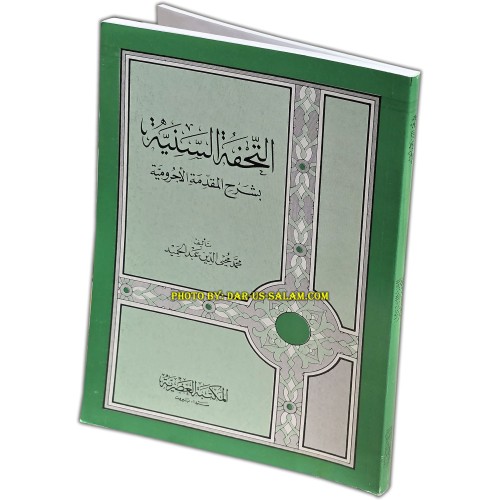
At-Tuhfat As-Saniyyah is the explanation.
What the Commentary Does
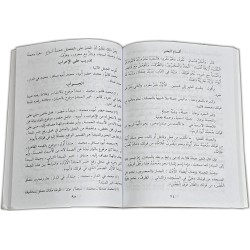
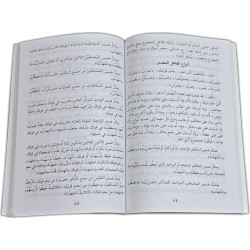
Shaykh Muhyi ad-Din Abdul-Hamid takes the text phrase by phrase, defines the terms, supplies the examples the original omits, and shows how each rule applies. That combination — a memorisable core text with a full commentary beside it — is the classical method of teaching nahw, and it has not been improved on.
Why This Text Rather Than Another
Because everything after it assumes it. The terminology of Arabic grammar, the categories, the framework a student uses to parse a sentence for the rest of his life — all of it is established here. A student who has this secure moves through the intermediate texts; one who does not stalls.
And the reward is direct: grammar is what allows a reader to see why a Qur'anic verse is constructed as it is, and what turns on it.
Who It Is For
Students of Arabic grammar working in the traditional curriculum. Teachers, who will find it is the text they will use. Anyone who has learned Arabic conversationally and wants the structure underneath it.
Related Reading
الوصف بالعربية
التحفة السنية بشرح المقدمة الآجرومية للشيخ محمد محيي الدين عبد الحميد رحمه الله، وهو الشرح المعتمد على متن الآجرومية.
و«الآجرومية» متن في صفحات يسيرة، حفظه طلبة العربية منذ القرن الثامن الهجري، ولا يكاد أحد يفهمه من قراءة واحدة، لأنه ملخّص كُتب ليُشرح لا ليُقرأ.
ويأخذ الشارح المتن جملة جملة، فيحدّ المصطلحات، ويأتي بالأمثلة التي طواها المتن، ويبيّن تطبيق كل قاعدة. وهذا الجمع — متن يُحفظ وشرح إلى جانبه — هو طريقة القدماء في تعليم النحو، ولم يُوجد ما هو خير منها.
وثمرته مباشرة: فالنحو هو الذي يُري القارئ لِمَ جاءت الآية على هذا التركيب، وما الذي يترتّب على ذلك من المعنى.


 (1)
(1)