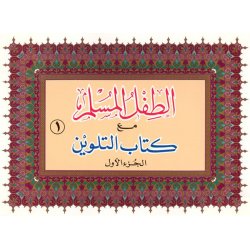
Four coloring books in Arabic, sold as a set — two on supplications and two on mosques.
Why the Format Works
A child coloring a picture spends several minutes looking at it closely. That is longer than he will spend on almost anything else you put in front of him, and it is why coloring books teach as effectively as they do.
The du'a books use that time to attach a supplication to an image, which is how a young child memorizes anything. The Masajid books do something slightly more ambitious: a picture of a mosque on one side of the page, and an ayah and a hadith on the other. The child colors; the text is there while he does it; and mosques from around the world become familiar objects rather than abstractions.
Arabic Only
These are entirely in Arabic, which makes them particularly useful for families raising children with Arabic, for Arabic-medium schools, and for anyone wanting their child to meet Arabic script in an enjoyable setting rather than only in a lesson.
Who It Is For
Young children, roughly pre-school to early primary. Islamic schools and weekend academies. Families looking for something quiet and useful for a long journey or a Ramadan afternoon.
Related Reading
الوصف بالعربية
الطفل المسلم مع كتاب التلوين: أربعة كتب تلوين باللغة العربية، جزآن في الأدعية وجزآن في المساجد.
والطفل حين يلوّن صورة يظلّ ناظرًا إليها دقائق، وهي مدة أطول مما يمنحه لغيرها، ولذلك كانت كتب التلوين من أنجع ما يعلّم الصغار.
فكتابا الدعاء يستثمران هذا الوقت في ربط الدعاء بالصورة، وهي طريقة حفظ الصغير. أما كتابا المساجد ففيهما ما هو أبعد: صورة المسجد في وجه الصفحة، وآية وحديث في الوجه الآخر — فالطفل يلوّن والنصّ أمامه، وتصير مساجد العالم عنده مألوفة لا مجرّدة.
والكتب عربية خالصة، فهي نافعة لمن يربّي أولاده على العربية، وللمدارس العربية، ولمن أراد أن يلقى ولده الحرف العربي في موضع يستمتع به لا في الدرس وحده.