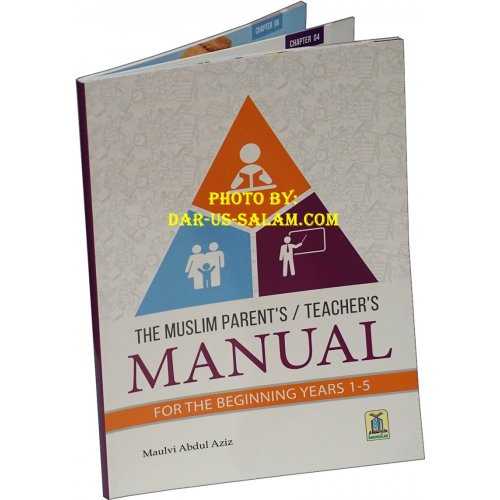
Muslim parents and educators must take every care to see that children grow up with a sound knowledge of their deen and of the culture that develops from following Islam. Almost everyone agrees with that sentence. Very few have any idea what it means for a three-year-old on a Tuesday morning.
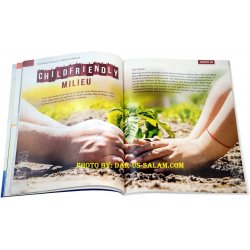
This manual is an attempt to answer that specifically, with a syllabus and guidelines for children aged one to five.
Happy and Lively
The governing principle is stated early and is the most important thing in the book. A child should be introduced to the basic matters of Iman in a happy and lively way.
That is not a stylistic preference. What a small child attaches to a subject at this age tends to persist for decades, and a religion introduced through anxiety, correction or boredom carries that association for a very long time. The first five years are less about content than about what the child comes to feel when the subject comes up.
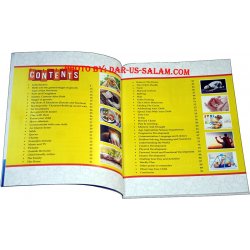
What the Manual Covers
Islamic education — instilling values and teachings from a young age, with practical advice on integrating them into ordinary daily life rather than treating them as a separate lesson.
Parenting guidance — nurturing moral, spiritual and intellectual development, including discipline, character building, and fostering a genuine love for Islam.
Teaching methods for educators — classroom management, lesson planning, and ways of engaging children of this age, all aligned with Islamic principles.
On the Mother's Role
The manual is direct that the educator's responsibility during the years from birth to five, and especially a mother's, is of crucial importance — because in that period she is the primary environment rather than one influence among many.
Who It Is For
Parents of young children. Pre-school and nursery teachers in Islamic schools. Weekend academy staff working with the youngest groups. Anyone designing an early-years curriculum from nothing.
Related Reading