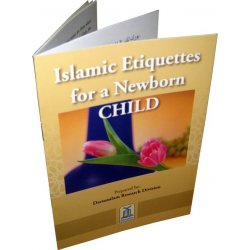
A name is given once and carried for a lifetime, and it is usually chosen in the first week after a birth — by exhausted parents, under pressure from relatives, often without knowing that Islam has anything specific to say about it. Islam has a good deal to say about it.
What the Booklet Covers
- Sunnah practices for the newborn — what is prescribed in the first days of a child's life
- Names that are prohibited to use
- Names that are disliked according to Islamic law, etiquette and taste
- Final words to the parents
The Practices of the First Days
The Sunnah gives a clear sequence for the beginning of a child's life — what is said, what is done, when the naming takes place, and the sacrifice offered in thanks. Each of these has a specific timing, which is precisely why a booklet is more useful than a general parenting book: the window for several of them is measured in days.
Names Prohibited and Names Disliked
This is the section most parents did not know they needed. Some names are forbidden outright — those implying servitude to other than Allah, or claiming for a human being what belongs to Allah alone. Others are not forbidden but disliked, whether for their meaning, for what they imply about the bearer, or for reasons of taste that Islamic etiquette takes seriously.
The distinction matters, because parents are usually choosing among names none of which sound problematic. Knowing which category a name falls into is the difference between an informed choice and a lucky one — and the alternatives are easier to consider before the birth certificate is filed.
Who It Is For
Expectant parents, above all, and best read during pregnancy rather than after. Grandparents and family members who will be consulted. New Muslim families with no tradition to draw on. Imams and community workers asked these questions constantly. Short, inexpensive, and a genuinely useful gift for a couple expecting a first child.
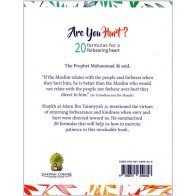
Related Reading