Who among us does not sin? And who among us does everything the religion requires of him?
It is an undeniable fact that we all have shortcomings. What distinguishes some people from others — what raises some above others — is that the successful ones repent and ask Allah to forgive them. Not that they never fall. That they come back.
Why Accounts Rather Than Argument
A person weighed down by what he has done does not usually need to be told that repentance is obligatory. He knows. What stops him is the private conviction that his own case is different: too far gone, too often repeated, too late.
Accounts of other people answer that in a way no argument can. Reading what someone else had done, and that he returned, and that he was received — that reaches the specific obstacle.
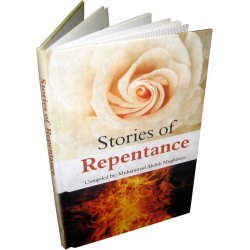
What the Book Covers
Among its chapters: the mercy of Allah; the Messenger ﷺ attesting to a man's sincerity; the close link between repentance and worldly blessing; coming to terms with the reality of life; what accepted repentance looks like; how good deeds actually remove evil ones; mercy and forgiveness for the one who turns back; the nearness of everything that is coming; and a chapter addressed, pointedly, to the person who really does intend to keep disobeying.
The Thread Running Through It
It is truly encouraging to know that the door to repentance is always open. Glad tidings, then, to every Muslim who consistently hastens to repent to Allah and ask His forgiveness — consistently being the operative word, since the ones who succeed are not those who fell once but those who kept returning.
Who It Is For
Anyone carrying something heavy. Anyone who has repented and relapsed enough times to have stopped believing in his own repentance. Imams, counselors and family members who want to hand over something rather than say the obvious. Youth groups. Ramadan reading, when the subject is already in everyone's mind.
Related Reading




 (1)
(1)