Ramadan is not a month of fasting with some extra worship attached. It is the month in which the Qur'an was revealed, in which the gates of Paradise are opened and the gates of the Fire closed, and in which the return on a deed is unlike any other time of year.
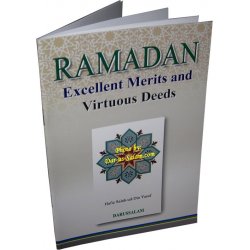
Most Muslims know this and still arrive at the twenty-eighth night realizing the month has largely passed them by. Hafiz Salahuddin Yusuf wrote this short book to prevent that, and its usefulness depends on reading it before Ramadan rather than during.
The Deeds That Earn Most
Working from authentic Prophetic narrations, the author sets out what the Messenger of Allah ﷺ actually did in Ramadan:
- Fasting with sincerity — and what that requires beyond abstaining
- Increased recitation of the Qur'an, with reflection rather than only speed
- Qiyam al-Layl and Taraweeh
- Abundant du'a, at the times most likely to be answered
- Generous charity, and feeding those who are fasting
- Sincere repentance while the doors are widest open
- I'tikaf in the last ten nights
- Striving for Laylat al-Qadr — a night better than a thousand months
Habits Rather Than Rulings
The book deliberately does not major on the legal rulings of fasting, which are covered well elsewhere. Its subject is the spiritual practice: improving manners, increasing dhikr, strengthening family ties, leaving idle speech and sin, and coming out of the month closer to Allah than when it began.
That is the difference between a Ramadan that changes something and one that merely passes.
Who It Is For
New Muslims facing their first Ramadan. Families planning the month together. Islamic schools, Ramadan classes and masjid study circles. At 31 pages it is read in a sitting and cheap enough to buy by the box for distribution in Sha'ban.
Related Reading



 (2)
(2)