Allah's Messenger ﷺ reported that Allah says: "Every deed of the son of Adam is for him, except fasting. It is for Me, and I shall reward for it."
An act of worship singled out in those terms deserves to be understood properly rather than approximately.
The Third Requirement
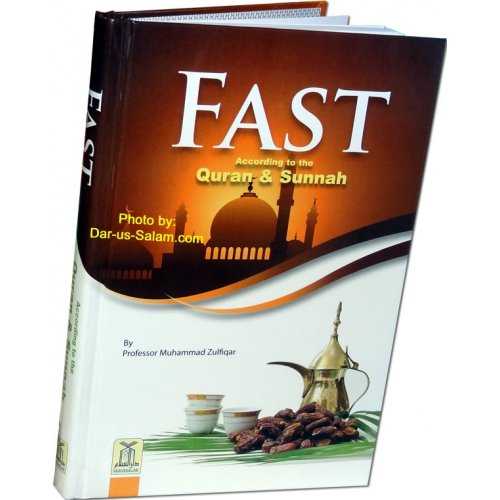
Most books on fasting cover two things: what is obligatory, and what breaks the fast. This one covers a third, and the reason it gives is unusual enough to be worth stating.
A Muslim needs to know what is permissible, so that he does not unnecessarily subject himself to hardship by depriving himself of it.
That is a real problem and it is rarely addressed. People avoid perfectly lawful things in Ramadan — rinsing the mouth, brushing teeth, bathing to cool down, using medication they need, tasting food while cooking — out of a vague caution that the texts do not require. They make the month harder than Allah made it, and sometimes harm themselves doing it.
What Is Covered
All the main issues of fasting: the conditions and pillars of a valid fast, the intention, who is obliged and who is exempt, what invalidates it and what does not, making up missed days, the fidyah, voluntary fasts, and the etiquettes and recommended practices of the fasting person.
The stated aim is to serve as an easy and authentic reference — which is the right ambition. This is a book to consult in the moment a question arises, not a treatise to work through.
Who It Is For
Families through Ramadan. Imams and teachers, who field the same questions every year. New Muslims facing their first month. Anyone who has been unnecessarily strict with himself and would like to know where the line actually is.
Related Reading