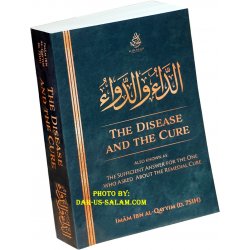
The Imam was asked a long question, part of which was: what is the opinion of the scholars regarding a man who is afflicted by a disease, and knows that if it should continue, it would damage his life?
The Imam quoted the hadith from Sahih Al-Bukhari, where the Prophet ﷺ said: "Allah has appointed a remedy for every disease He has sent down." And Imam Ahmad reported on the authority of Usamah bin Shareek that the Prophet ﷺ said: "Allah has not made a disease without providing a remedy for it, except one disease, namely old age."
This applies to medicine for the heart, soul and body. The wellbeing of the servant's heart is far more important than that of his body, for while the wellbeing of his body enables him to lead a life free from illness in this world, that of the heart ensures him both a fortunate life in this world and eternal bliss in the next.
What You'll Gain from This Book
- A comprehensive understanding of how sins affect the heart and soul
- The role of sincere du'a and tawbah in healing spiritual diseases
- The conditions for effective supplication and why it may be delayed
- Warnings against the gravest sins, such as shirk, murder and zina
- An explanation of divine decree and how du'a interacts with it
- Practical tools to strengthen your connection with Allah and rely upon Him alone
This Work Does Not Name the Specific Sin
That is deliberate. It allows the message to remain relevant to all who seek healing from temptations, doubts, destructive desires or spiritual stagnation, weaving authentic hadith, stories from the Companions and reflection into an answer that purifies the heart and revives hope.
About the Author
Imam Ibnul Qayyim al-Jawziyyah was born into a scholarly and virtuous family in 691 AH/1292 AD in Damascus, then a center of literature and thought, and studied under the direction of his father. He was particularly influenced by his teacher, Imam Ibn Taymiyyah. Ibnul Qayyim died in Damascus in 751 AH/1350 AD, and was buried at the cemetery of Bab-al-Saghir, near the grave of his father. May Allah have mercy upon them both.
Who It Is For
Anyone struggling with ongoing sin or spiritual illness, and readers of Ibn al-Qayyim, Ibn Taymiyyah, or classical Islamic scholarship generally.
Related Reading