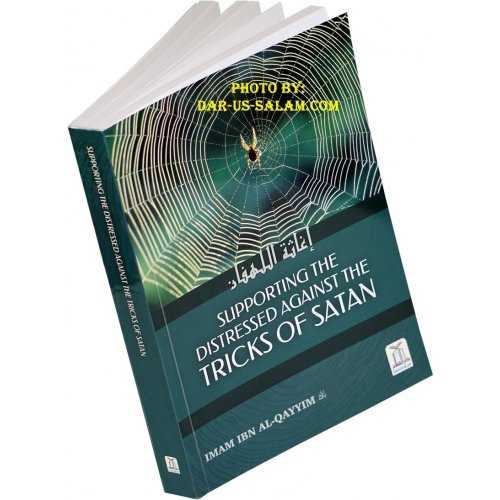
Ibn Al-Qayyim explains his purpose himself, and the passage is the best summary of the book:
The enemy of Allah, the devil, knew that the heart held the central position on which everything depended. So he set out to fill it with every sort of whisper and vain desire, intending to divert it from the right path. He surrounded it with sources of misguidance, and set devices and nets to trap it.
Getting out of those tricks is not possible except by seeking the help of Allah, holding to the causes of His pleasure, and acquiring the humility of servitude — which is the best weapon a man can have for securing Allah's protection.
"Certainly, you shall have no authority over My slaves." (Surah Al-Hijr 15:42)
And then: since Allah Almighty by His grace gave me knowledge of the diseases of the hearts and their cure, and of the whisperings of Satan within them — which affect them and consequently spoil a man's works — I decided to record that information in this book.
Why the Framing Matters
The strategic point in that opening is the one most readers miss on a first pass. Satan concentrates on the heart because everything else depends on it. He is not primarily interested in making a person abandon prayer; he is interested in what the person's heart is doing while he prays.
Which explains the whole shape of the book. Ibn Al-Qayyim treats the diseases — the vain desires, the whispers, the devices and the nets — and then the cures, because a deed performed with a corrupted heart has already been spoiled whether or not it was performed.
Who It Is For
Readers doing serious work on themselves. Anyone troubled by persistent waswas. Students of knowledge and teachers. Ibn Al-Qayyim is demanding but never obscure, and this is among the works of his that a general reader can take on directly.
Related Reading



 (1)
(1)