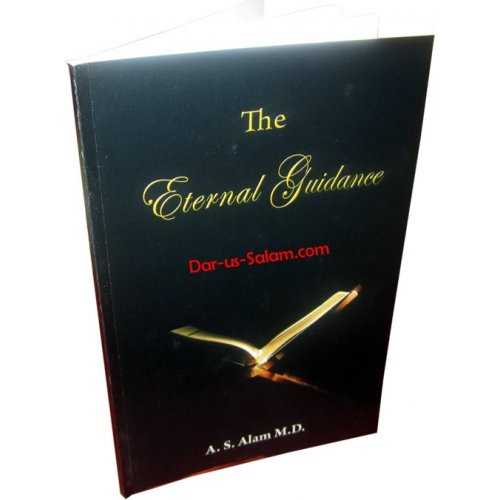
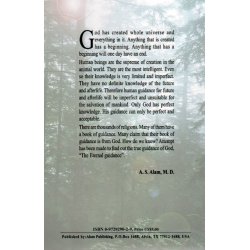
God has created the whole universe and everything in it. Anything that is created has a beginning; anything that has a beginning will one day have an end.
Human beings are the supreme of creation. They are the most intelligent. Even so, their knowledge is very limited and imperfect — they have no definite knowledge of the future or of the afterlife. Human guidance for the future and the afterlife is therefore inadequate, and guidance must come from the One who knows.
The Argument in Order
The book builds a chain, and each step is meant to be conceded before the next is offered.
The universe is created, therefore it has a beginning and an end. Human beings are intelligent, therefore capable of recognizing that. But human knowledge cannot reach what lies after death, because nobody has returned to report. Therefore either such knowledge is unavailable to us entirely, or it comes from the One who created the arrangement.
Revelation is the claim that it has been given.
Why This Approach Suits a Skeptical Reader
Because it begins from observations rather than from scripture. A reader who does not accept the Qur'an as authoritative cannot be argued to from it — but he can be asked to consider the limits of what he is in a position to know.
That is a reasonable question to put to anyone, and it is the door the book is trying to open.
Who It Is For
Non-Muslim readers and da'wah work, particularly with people who are more philosophically than religiously inclined. Short and inexpensive enough to give away.
Related Reading