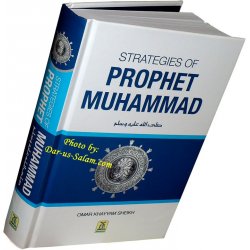
Read the Seerah as a series of decisions rather than a series of events and something different comes into view. A man with no army, no wealth and no tribe behind him ended, within twenty-three years, having unified a peninsula that had never been unified. That outcome had a method behind it, and this book examines the method.
What Is Analyzed
Vision and mission. A single clear objective held without deviation for two decades, and the ability to make other people commit to it as their own.
Communication. Conveying difficult ideas in simple terms, the use of story and parable, and a command of non-verbal communication that the narrations record in unusual detail — how he turned to face a person completely, and how he stayed silent.
Adaptability. Changing approach as circumstances changed, without ever changing the objective. The strategic alliances, the treaties, and the pragmatism under pressure — Hudaybiyah above all, where terms that looked like capitulation to his own Companions produced the outcome he wanted.
Conflict resolution. Justice, fairness and reconciliation as instruments rather than sentiments — his handling of enemies, and his handling of the internal disputes that arise in every growing community.
Leading by example. Humility, compassion and ethical conduct treated as the mechanism by which everything else became possible, rather than as personal virtues incidental to the work.
A Word on Reading It This Way
Analyzing prophetic conduct as strategy is a useful lens and a partial one. What the Prophet ﷺ did he did under revelation and by divine support, and no account of his decisions as tactics can explain the whole of it. Read this alongside a full Seerah rather than instead of one, and it adds a dimension most biographies leave implicit.
Who It Is For
Muslims in leadership — masjid boards, organizations, businesses, community work. Students of management who would like a case study from their own tradition. Readers who know the events of the Seerah and would like to understand why they went the way they did.
Related Reading



 (2)
(2)