Where the Qur'an's places actually are
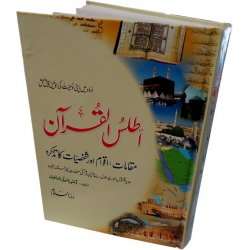
Every reciter has passed over a place-name in the Qur'an without quite picturing it — the ark's resting place, the curved sand-hills of Al-Ahqaf, the cave of the sleeping youths, the ruins of the people of Madyan — and moved on without ever locating it. Atlas of Quran (اٹلس قرآن) — "An Authentic Collection of Qur'anic Information with Maps, Tables and Pictures" exists to close exactly that gap. It is new in its subject, treating ground no earlier Urdu reference had mapped in this way.
What the atlas does
It helps whoever recites or studies the Qur'an to pinpoint the locations named by the Noble Verses and to mark the sites connected to the ancient peoples the Qur'an describes, alongside the locations where events of the Prophetic seerah took place. With steady use, the diligent reader begins to recognize these places, learn their history, and take heed of them while reciting — rather than reading past them unaware.
What it uncovers
Among the obscure places the atlas reveals, drawn from reliable sources, are the site where Nuh's Ark came to rest, the curved sand-hills (Al-Ahqaf), the cave of the young believers, the ruins of Madyan, and the site of the destroyed people of Lut — places most reciters pass over inattentively. In doing so, the atlas removes the guesswork and imagination that often surround these verses and replaces it with a specific, located place.
Related Reading
Pair this with Urdu: Atlas Seerat An-Nabi for a complete visual companion to both the Qur'an and the Prophet's ﷺ biography.
اردو تعارف
"اٹلس قرآن" ایک منفرد اور نئے موضوع پر مبنی کتاب ہے جو قرآن مجید میں مذکور مقامات کو نقشوں، جدولوں اور تصاویر کی مدد سے واضح کرتی ہے۔ اس میں کشتی نوح کے ٹھہرنے کی جگہ، احقاف کے ریتیلے ٹیلوں، اصحابِ کہف کے غار، اور قومِ مدین کے کھنڈرات جیسے مقامات کی نشاندہی کی گئی ہے، تاکہ قاری تلاوت کے دوران ان مقامات کو پہچان سکے اور ان سے عبرت حاصل کر سکے۔




 (3)
(3)