Wealth and piety were never opposites
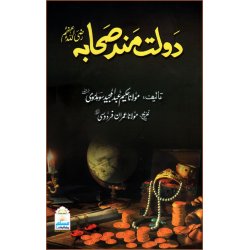
Daulat Mand Sahaba (دولت مند صحابہؓ) — "The Wealthy Companions of the Prophet ﷺ", authored by the respected scholar Mawlana Abdul Majeed Sohdarvi, is a timeless Urdu work that addresses a common misconception: that Islam discourages worldly success and wealth. First published in 1947 and continually reprinted for its enduring relevance, the book clarifies that earning and possessing wealth is not only permissible in Islam but can be a means of drawing closer to Allah when done with sincere intention and responsibility.
What the book shows
Through carefully selected examples and inspiring accounts from the lives of the Companions of the Prophet ﷺ — many of whom were both wealthy and deeply devout — the author dismantles the false idea that material prosperity inevitably leads one away from faith. Instead, the book demonstrates how these noble Sahaba managed their wealth with piety, charity, and devotion, using their resources to support the Muslim community, empower the Ummah, and uphold justice.
The balance it teaches
Written with clarity and rooted in authentic Islamic principles, Daolat Mand Sahaba encourages readers to pursue economic strength, sharpen their financial acumen, and use wealth in ways that please Allah — showing that wealth becomes a source of blessing (barakah) when it is acquired lawfully, spent charitably, and managed responsibly.
Who this book is for
Seekers of Islamic history, believers striving for personal and communal excellence, and anyone wishing to understand how faith and prosperity harmonize in a life dedicated to Allah's pleasure will find this an ideal, encouraging read.
اردو تعارف
مولانا عبدالمجید سوہدرویؒ کی تصنیف "دولت مند صحابہؓ" ایک عام غلط فہمی کا ازالہ کرتی ہے کہ اسلام دنیاوی کامیابی اور مال و دولت کی مخالفت کرتا ہے۔ 1947 میں پہلی بار شائع ہونے والی یہ کتاب صحابہ کرامؓ کی زندگیوں سے مثالیں پیش کرتی ہے، جو دولت مند ہونے کے باوجود گہرے دیندار تھے، اور یہ ثابت کرتی ہے کہ اخلاص اور ذمہ داری کے ساتھ کمائی گئی دولت اللہ کے قرب کا ذریعہ بن سکتی ہے۔



 (1)
(1)