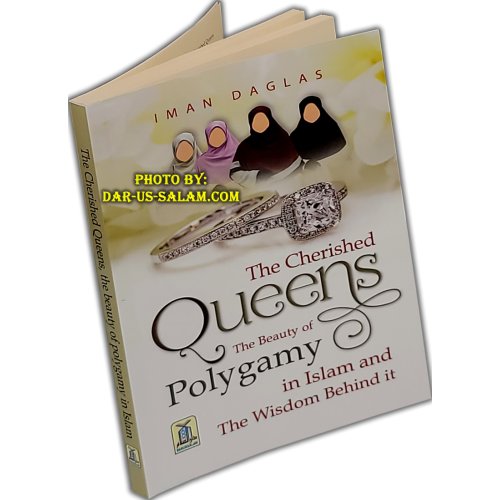
The author opens by stating what she is not, and it is the most disarming introduction in our catalog.
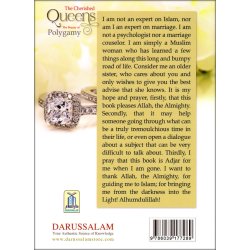
She is not an expert on Islam. She is not an expert on marriage. She is not a psychologist or a marriage counselor. She is a Muslim woman who has learned a few things along a long and bumpy road, and she asks the reader to consider her an older sister who cares and only wishes to give the best advice she has.
Her hopes are stated equally plainly: first, that the book pleases Allah; second, that it may help someone going through a genuinely difficult period, or at least open a dialogue on a subject that is very hard to raise.
What the Book Covers
Historical context — the prevalence and acceptance of polygamy across cultures and religions through history, and where Islamic practice sits within that.
The Islamic position — the Qur'anic verses and the Ahadith that address it, and the conditions and guidelines Islam attaches to ensure fairness and justice among co-wives. Those conditions are the part most often left out of the discussion by both critics and advocates.
Misconceptions and clarifications — the common criticisms addressed directly rather than deflected.
Why the Voice Works
A scholarly treatment establishes what is permitted. It does not help a woman at two in the morning. This book is written by someone who has been there, addressing the reader as a peer, and for a great many women that is the only register in which the subject can be heard at all.
Who It Is For
Muslim women living with polygyny, considering it, or trying to understand it. Muslim men weighing it, who will find the emotional reality set out plainly. Sisters' circles, where the book tends to start the conversation nobody was starting.
Related Reading