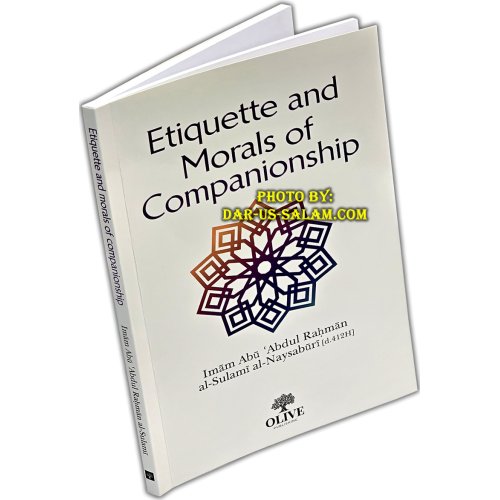
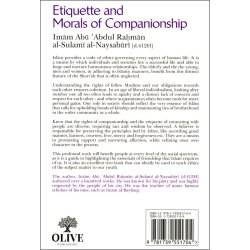
Etiquette and Morals of Companionship by Imam Abu Abdul Rahman al-Sulami al-Naysaburi (330–412 AH). This profound work will benefit people at every level of society.
Islam provides a code of ethics governing every aspect of human life. It is a means by which individuals and societies live a successful life and are able to forge and nurture harmonious relationships. The elderly and the young, men and women, in adhering to Islamic manners, all benefit from this.
Why Companionship Gets Its Own Treatment
Because it is the relationship a person chooses, and therefore the one he is most responsible for.
Family is given; neighbors are accidental; colleagues are assigned. Friends are selected, and the Prophet ﷺ said that a person is upon the religion of his close friend, and told us to look carefully at whom we take as one.
That makes the ethics of friendship a subject with consequences rather than a matter of politeness.
What It Covers
How companionship is properly formed and on what basis. The rights a friend has over you. Keeping confidences. Overlooking faults, and when overlooking becomes complicity. Correcting a friend without humiliating him. Loyalty in his absence. And how a companionship should be ended when it must be.
Who It Is For
Any reader — the book was written for people at every level of society, and its subject is one nobody escapes. Particularly valuable for young people forming the friendships that will shape them.
Related Reading