Few subjects divide Muslims more predictably, and few are discussed with less reference to the actual evidence. This book supplies the evidence and argues a position.
What It Establishes
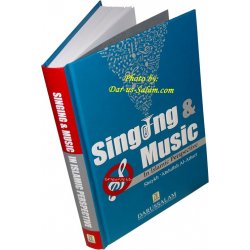
The rulings on singing and music, set out from the texts and from the statements of the scholars, together with a sustained account of the harm the author holds they inflict — on the heart first, and from there on the individual, the family and the Ummah.
The Central Argument
It is worth stating precisely, because it is more interesting than a simple prohibition.
The claim is not merely that music is forbidden. It is that music occupies the same place in a person that the Qur'an is meant to occupy — and that a heart filled with one has less room for the other. These things turn people away from the Qur'an, from worship and from obedience, and those three are described as the keys to the beautification and serenity of the heart, the removal of worry and distress, and happiness in this world and the next.
Put that way, the argument is about substitution rather than restriction. Whatever a person turns to for consolation is what he has made his source of consolation, and the book asks the reader to notice honestly what he actually reaches for.
Reading It Fairly
This is a subject on which qualified scholars of Ahlus Sunnah have held differing positions, particularly regarding what counts as music, which instruments are covered, and what falls under permitted forms. This book argues the prohibitive position and argues it thoroughly.
Read it for the evidences it assembles, which is what a reader forming his own view needs most, and read a broader treatment alongside it if you want the full range of scholarly opinion.
Related Reading



 (1)
(1)