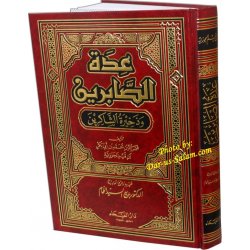
The title translates as The Provision of the Patient and the Treasure of the Grateful, and the pairing is the argument. Between them, patience and gratitude cover every circumstance a person can be in: what he does when things are hard, and what he does when they are not.
The Prophet ﷺ described the believer's situation in exactly those terms — that all of it is good for him, because if something pleasing reaches him he is grateful and that is good for him, and if something harmful reaches him he is patient and that is good for him.
What Ibn Al-Qayyim Does With It
He defines sabr precisely, distinguishes its varieties — patience in obedience, patience away from disobedience, patience under decree — and grades its degrees. He then does the same for shukr, showing that gratitude is a matter of the heart, the tongue and the limbs together rather than a phrase said after a meal.
Throughout he works from the Qur'an, the Sunnah and the reports of the Salaf, with the psychological insight that runs through all his writing on the heart.
Who It Is For
Arabic readers in a difficulty that is not going to resolve quickly. Students of tazkiyah. Teachers and khateebs. One of the works of Ibn Al-Qayyim a general reader can take on directly.
الوصف بالعربية
عدة الصابرين وذخيرة الشاكرين للإمام ابن قيم الجوزية رحمه الله.
واقتران الصبر بالشكر هو حجّة الكتاب: فبينهما تنتظم أحوال العبد كلها — ما يصنع إذا اشتدّ عليه الأمر، وما يصنع إذا رخا. وقد قال النبي صلى الله عليه وسلم: عجبًا لأمر المؤمن، إن أمره كله له خير؛ إن أصابته سرّاء شكر فكان خيرًا له، وإن أصابته ضرّاء صبر فكان خيرًا له.
ويحدّ ابن القيم الصبر حدًّا دقيقًا، ويقسّمه: صبر على الطاعة، وصبر عن المعصية، وصبر على أقدار الله المؤلمة، ويذكر درجاته. ثم يصنع مثل ذلك في الشكر، فيبيّن أنه عمل القلب واللسان والجوارح جميعًا، لا كلمة تُقال بعد الطعام.
وهو في ذلك كله يستمدّ من الكتاب والسنة وآثار السلف، مع ما عُرف عنه من دقة النظر في أحوال القلوب. مناسب لمن ابتُلي ببلاء يطول، ولطلبة العلم والخطباء.