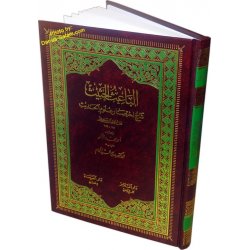
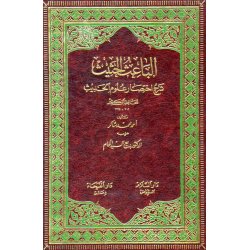
Three scholars are stacked in this one book, which is what gives it its standing.
Ibn As-Salah wrote the Muqaddimah, the work that systematized the sciences of hadith and against which everything afterwards was measured. Ibn Kathir abridged it. And Ahmad Muhammad Shakir, one of the foremost hadith scholars of the modern era, wrote the commentary that opens the abridgement up.
What It Covers
The methodology of hadith criticism. The categorization of narrations — sahih, hasan, da'if and the many sub-classifications beneath them. And the criteria by which the reliability of transmitters is assessed, which is the discipline that everything else rests on.
Shakir's contribution is clarity on the technical terms and the procedural methods, without simplifying away the depth. A reader finishes able to understand what a grading actually means when he encounters one, rather than treating it as a verdict handed down.
Who It Is For
Students and scholars working in Arabic who want to go deeper than reading hadith into understanding how hadith are evaluated. This is a specialist text, and a foundational one — it is where a serious student of the Sunnah begins the second stage of his study.
Related Reading
الوصف بالعربية
الباعث الحثيث شرح اختصار علوم الحديث يجتمع فيه ثلاثة من الأئمة: ابن الصلاح صاحب المقدمة التي أرست علوم الحديث، والحافظ ابن كثير الذي اختصرها، والشيخ أحمد محمد شاكر الذي شرح هذا المختصر.
ويتناول الكتاب منهج نقد الحديث، وتقسيم الروايات إلى الصحيح والحسن والضعيف وما يتفرع عنها، ومعايير الحكم على الرواة. وقد امتاز تعليق الشيخ شاكر ببيان المصطلحات الفنية والطرق الإجرائية بيانًا واضحًا من غير إخلال بعمق المادة.
كتاب متخصص وأساسي، به يبدأ طالب العلم المرحلة الثانية من دراسة السنة. ٢٣٩ صفحة، مجلد، باللغة العربية.