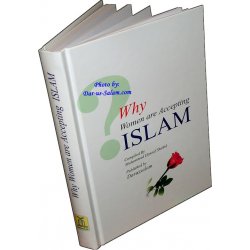
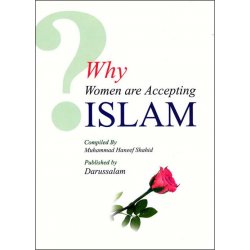
The claim that Islam oppresses women is made most often by people who have never asked a Muslim woman, and almost never by women who chose Islam as adults. This book consists entirely of the second group.
What the Accounts Contain
The women here come from every walk of life. Each describes what she believed before, what she encountered, what impressed her, and what led her to a decision that is described in the book without understatement — a major and uphill one, since it meant leaving the religion of her forefathers and, often, disappointing the people closest to her.
Their observations on veiling and on the free mingling of the sexes are the passages readers remember. These are women who lived under the alternative arrangement, chose to leave it, and can say precisely what they were leaving and why. That is a perspective no argument can supply.
Several write about the standing and importance Islam gives women in society, in terms that will surprise a reader who arrived expecting a defense.
Why This Format Persuades
Arguments about women in Islam tend to go nowhere: both sides have their verses and their statistics, and nobody concedes. A first-person account works differently. It cannot be refuted, because it is not an argument — it is a report of what someone found.
Read one and it is an anecdote. Read a collection of them, from different countries, classes and starting points, and the pattern is harder to explain away.
Who It Is For
Non-Muslim women curious or skeptical. Muslims doing da'wah, who will find this more useful in a conversation than any refutation. New Muslim sisters who feel alone in what they have done — the recognition in these pages is worth a great deal. And Muslim women raised in the religion, who rarely hear it described by someone who had to choose it.
Related Reading