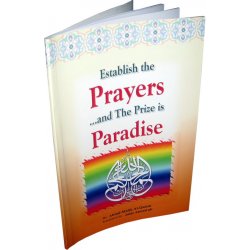
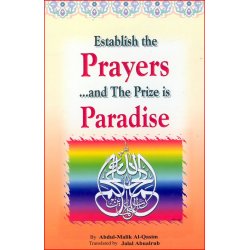
You can be told that the prayer is important. You can also be shown what people looked like who actually believed it, which tends to work better. This booklet takes the second approach.
Three Accounts
Rabi'ah bin Yazid said: for the past forty years, the mu'adhdhin never called the people to Zuhr without my already being in the masjid — except when I was ill or traveling.
'Amir bin Abdullah heard the adhan while he was dying. He said, "Lead me by my hand." They told him he was too ill. He answered: "How can I hear the mu'adhdhin and not respond to it?" They took him by the hand — his house was near the masjid — and he began Maghrib behind the imam, and died having completed a single rak'ah.
Ibn Sama'ah said: for forty years, the only time I missed the opening takbir was the day my mother died.
What the Comparison Does
Nobody reading these expects to match them, and the booklet does not suggest otherwise. What the accounts do is recalibrate. A person who considers himself reasonably diligent, measured against a man who was carried to the masjid on his deathbed, arrives at a more honest assessment of his own state than any amount of exhortation would produce.
The Salaf were devoted to the prayer and urged the Ummah to be, and that urging is what the booklet passes on — the second pillar of Islam, treated as they treated it, with Paradise as the prize named in the title.
Who It Is For
Muslims whose prayer has slipped into routine, or slipped altogether. Those who pray at home from habit and rarely reach the congregation. Youth groups and study circles — the accounts start discussion immediately. Short enough to read in one sitting and reread before Fajr.
Related Reading