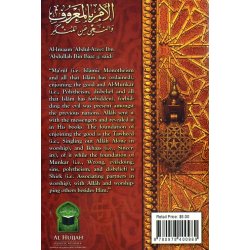
As for those who enjoin the good and forbid the evil for other purposes — like showing off, or to be heard, or for worldly significance, or for any other insincere reason — or even those who oppose the act of enjoining the good and instead perpetrate the evil, then they are among the filthiest of mankind and among the most evil, who will face a severe consequence.
In the two Sahih collections, it is narrated from Usamah ibn Zayd رضي الله عنهما that the Prophet ﷺ said a man will be brought forward on the Day of Resurrection and thrown into the Fire, and his intestines will spill out, and he will circle around them as a donkey circles a millstone. The people of the Fire will gather around him and ask, "Did you not used to enjoin good and forbid evil?" He will reply, "I used to enjoin good without doing it myself, and forbid evil while doing it myself."
Why This Obligation Carries Such Weight
Because it is what holds a community together as a moral body rather than as a collection of individuals each minding only their own conduct. The Qur'an describes the believers as those who enjoin what is right and forbid what is wrong — it is stated as a defining characteristic, not an optional extra.
The narration above is a warning specifically against the failure that looks like fulfillment: speaking correctly about right and wrong while living a contradiction of it.
What the Book Covers
The evidence establishing the obligation, its conditions and limits, the wisdom behind it, and the danger of both neglecting it and performing it with the wrong intention or in the wrong manner.
Who It Is For
Any Muslim in a position of influence over others — parents, teachers, community leaders — and anyone examining whether their own advice to others is matched by their own practice.
Related Reading