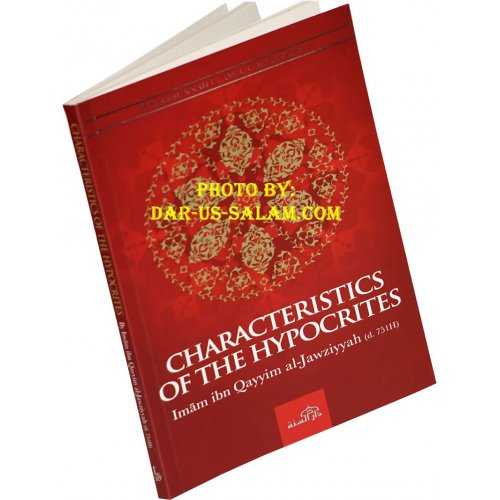
Hypocrisy is a deep-rooted and all-pervading spiritual disease. A person's heart could be overflowing with it and yet he be oblivious of it, due to its hidden and subtle nature. Frequently it leads a person to think he is acting rightly when in reality he is spreading corruption.
It is of two types: major hypocrisy, which leads to eternal punishment in the lowest depths of Hell — to outwardly display belief while concealing disbelief; and minor hypocrisy, which concerns deeds rather than creed.
Why the Distinction Is the Heart of the Book
Because minor hypocrisy is the one that concerns almost every reader.
It is described in the well-known signs: lying when speaking, breaking a promise, betraying a trust, and turning to abuse in a dispute. None of these puts a person outside Islam — and every one of them is something most people recognize in themselves.
That is precisely why it was taught. The Companions, who had every reason to be confident, were the most anxious about it.
Why It Is Called Hidden
Because unlike other sins it has no obvious moment. A person does not decide to become a hypocrite; he shades a statement, adjusts a story, performs slightly differently when observed — and none of it registers as a choice.
A book that names the symptoms gives a reader something to check himself against, which is the only way this particular disease is caught.
Who It Is For
Any Muslim, and particularly one who is confident about his own sincerity. That confidence is itself among the things the book examines.
Related Reading