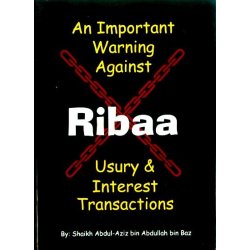
A researcher published a study arguing that most of the interest-based transactions offered by modern financial institutions are permissible in Islam. Shaykh Abdul-Aziz bin Abdullah bin Baz wrote a reply. This booklet is the translation of it.
Why the Reply Was Needed
Verdicts permitting ribaa in one form or another have appeared repeatedly in recent times, and they find a ready welcome — particularly among Muslims living in non-Muslim countries, where the surrounding financial system is built on interest and where imitating the practices of the wider society comes easily.
The appeal is obvious. A ruling that permits what you were already doing removes a difficulty at no cost. That is exactly why the argument for it deserves examination rather than acceptance, and why a scholar of standing answering it in detail is worth reading.
Shaykh Ibn Baz's Position
His response asserts the strict prohibition of all types of ribaa transactions, and he argues it as he argues everything — from the Book of Allah and the Sunnah of His Messenger ﷺ, according to the understanding of the Salaf As-Salih.
The Shaykh was among the most senior scholars of the modern era and a consistent defender of the methodology of the righteous predecessors, and much of his written output consists of exactly this kind of work: patient, referenced replies to arguments that would loosen what Allah has bound.
Who Should Read It
Muslims holding mortgages, loans, savings accounts or investments and wanting to know where they stand. Anyone who has encountered a fatwa permitting interest and could not evaluate it. Students of knowledge working through the fiqh of transactions. Imams and community workers who are asked about this more than almost anything else.
It is short, and it is specific — a reply to a particular argument rather than a general treatise, which is what makes it useful when you are weighing a particular claim.
Related Reading