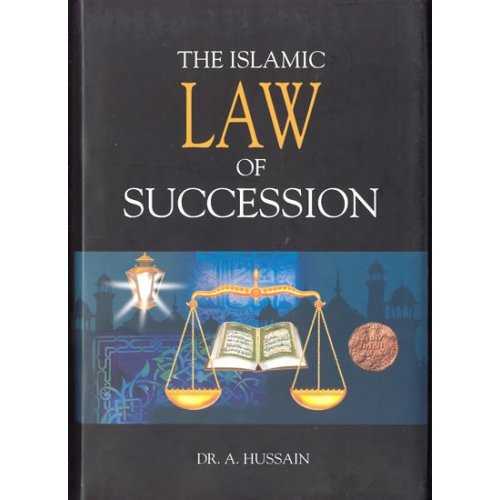
Islam gives guidance in every part of life, including the law of succession, so that each eligible person receives the share that is due. Inheritance is not a matter of preference or of what seems fair to the family at the time; the shares are specified, and getting them wrong means someone has been denied a right.
Yet books on the subject are remarkably hard to find, which is how most families end up dividing an estate by guesswork, custom, or whichever relative sounds most confident.
What This Book Provides
A comprehensive overview of the whole subject according to the four main schools of jurisprudence — so a reader can see where they agree, which is on most of it, and where they differ. The text is deliberately clear and unambiguous, with the key points highlighted so the issues can be followed without a legal background.
The Diagrams Are the Point
Inheritance is a subject where prose defeats people. Shares are fractional, they interact, and the presence or absence of one relative changes what several others receive. Described in sentences it becomes impossible to hold in the head.
This book includes descriptive diagrams and charts, and they do most of the work. A family tree with the shares marked on it settles in one glance what three paragraphs cannot.
Who Needs It
Anyone writing a will — particularly Muslims in countries where the default legal position on intestacy has nothing to do with the Shari'ah, so that failing to make a valid will means the estate is divided in a way Islam did not sanction.
Also imams and community leaders, who are asked to arbitrate estates. Students of fiqh, for whom 'ilm al-fara'id is a demanding subject requiring a good text. And families facing a bereavement, who need to settle this correctly at exactly the moment they have least capacity to research it.
Related Reading