Nobody sets out to commit shirk. That is what makes the subject urgent: the gravest sin in Islam is rarely committed deliberately by people who know what it is. It is arrived at gradually, through practices that look like devotion and were learned from people who meant well.
Allah tells us in the Qur'an that He forgives whatever sin He wills, except that a person dies having associated partners with Him and never repented. A sin with that consequence deserves to be understood precisely rather than approximately, and that is what this book is for.
The Shades It Identifies
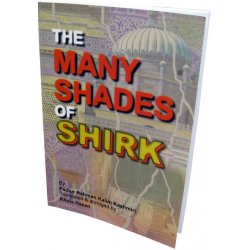
Fadlur Rahman Kalim Kashmiri works through the forms shirk takes — the obvious kinds found in idolatry, and the far more common subtle ones:
- Directing acts of devotion to other than Allah, including supplication, vows and sacrifice
- Relying on created means as though they operated independently of Allah's will
- Superstition, omens, amulets and charms worn for protection
- Seeking blessing through things and places that revelation did not sanction
- Excess in venerating the righteous, living or dead
- Riya' — performing worship with an eye on who is watching
- Beliefs absorbed from surrounding custom and never checked against a text
The distinction between major shirk, which takes a person outside Islam, and minor shirk, which does not but damages the worship it touches, runs throughout — a distinction frequently blurred, in both directions, by people arguing about it.
Correction, Not Condemnation
The book's tone is worth noting. It is not written to accuse anyone. Its aim is that the reader examine his own practice, recognize anything that has crept in, repent, and go on worshipping Allah alone with a clearer conscience. Sincere repentance is offered as the response, and the author is careful to leave that door open.
64 pages, plain language, practical examples. Suitable for new Muslims, students of knowledge, imams, da'wah workers and parents teaching creed at home.
Related Reading




 (4)
(4)