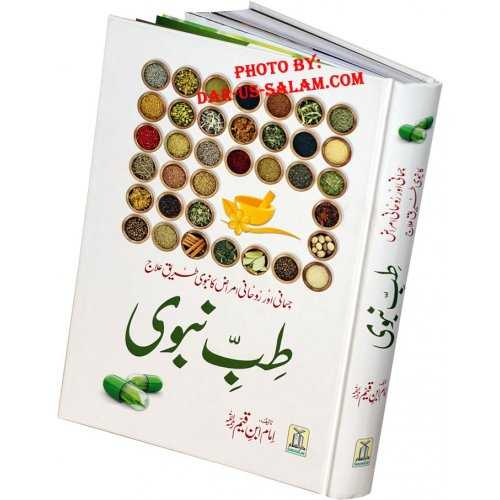
Six hundred years old, and still the reference
Long before "natural health" became a marketing phrase, Ibn al-Qayyim al-Jawziyyah devoted an entire chapter of his monumental Zad al-Ma'ad to exactly this subject — and that chapter has circulated ever since as a standalone classic. Tib-un-Nabwi (الطب النبوي) — "Medicine of the Prophet" is the full Urdu edition of that work, now presented in a new full-color, deluxe printing with pictures and illustrations on glossy paper.
An approach rooted in the Qur'an and Sunnah
As the Qur'an and Sunnah are the primary sources for the whole of a Muslim's lifestyle, Ibn al-Qayyim argues, it only stands to reason that they should be consulted on matters of health and medicine too. Verse by verse and hadith by hadith, he presents the Prophet's ﷺ own guidance on treating illness and maintaining a fit, healthy body — preventive remedies as much as cures for specific ailments.
What the edition includes
The book closes with an extremely useful glossary of remedies, herbs, foods, and other natural substances that support the journey toward better health — turning the text from a historical curiosity into a genuinely practical household reference, exactly as it has functioned in Muslim homes for over six centuries.
Related Reading
For the prophetic etiquettes surrounding treatment and supplication together, see Urdu: Dua awr Dwa Ke Masnoon Adaab.
اردو تعارف
پیغمبر اسلام صلی اللہ علیہ وسلم نے اپنی حیات میں جہاں روحانی اور باطنی بیماریوں کے حل تجویز فرمائے وہیں جسمانی اور ظاہری امراض کے لیے بھی اس قدر آسان اور نفع بخش ہدایات دیں کہ دنیا چاہے جتنی بھی ترقی کر لے لیکن ان سے سرمو انحراف نہیں کر سکتی۔ زیر نظر کتاب حافظ ابن قیم کی شہرہ آفاق تصنیف 'زاد المعاد فی ہدی خیر العباد' کے ایک باب 'الطب النبوی' کا علیحدہ حصہ ہے جسے ایک کتاب کی شکل میں الگ سے طبع کیا گیا ہے۔ مولانا کا کہنا ہے کہ بہت سے لوگ دعا اور دوا کے سلسلے میں افراط کا شکار ہیں لیکن یہ دونوں نقطہ ہائے نظر تعلیمات نبوی صلی اللہ علیہ وسلم سے میل نہیں کھاتے، بیماری کے علاج کے لیے دعا اور دوا دونوں از حد ضروری ہیں۔