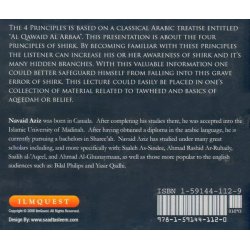
The Four Principles is based on a classical Arabic treatise entitled Al-Qawa'id Al-Arba'a. This presentation is about the four principles of shirk.
By becoming familiar with these principles, the listener can increase his or her awareness of shirk and its many hidden branches. With this valuable information, one can better safeguard oneself from falling into this grave error.
Why Principles Rather Than a List
Because a list of forbidden practices only covers the practices someone thought to list. Shirk takes forms that vary by time, place and culture, and a Muslim armed with examples alone will not recognize a form he has not been warned about.
Four principles are portable. They let a person evaluate something new, which is the entire reason the treatise was written in that shape.
The Key Insight
The first principle is the one that unsettles most listeners: the polytheists the Prophet ﷺ was sent to already affirmed that Allah is the Creator, the Provider and the Controller of all affairs. The Quran states it plainly.
That was not enough, and understanding why not is understanding Tawheed. It also disposes of the assumption that believing in one God is the whole of the matter.
Who It Is For
Anyone studying creed, and anyone from a community where practices around graves, saints or intermediaries are common and unexamined.