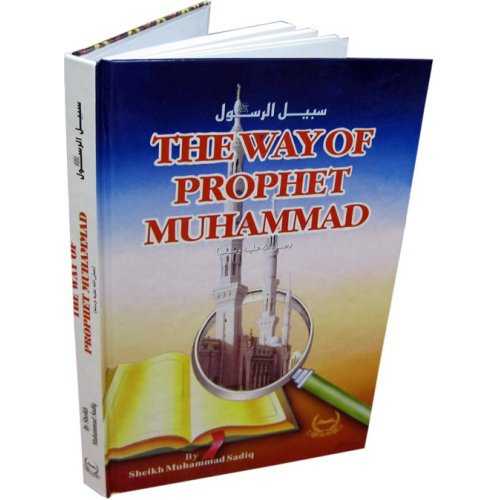
Most Muslims learn their religion in fragments: some belief from a parent, some worship by imitation at the masjid, some manners from the surrounding culture. The fragments rarely get audited against each other, and gaps go unnoticed for decades.
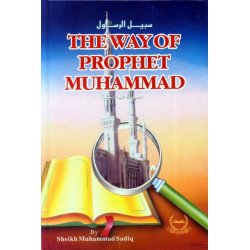
The Way of Prophet Muhammad ﷺ by Shaykh Muhammad Sadiq is built for that audit. It lays out the main areas of a Muslim's life in order and, for each, states what the Qur'an and the authentic Sunnah actually require — with the verse or the narration given alongside, so the claim can be checked rather than taken on trust.
How the Book Is Organized
- Belief — what a Muslim holds about Allah, the unseen and the Hereafter, and what quietly undermines it
- Acts of worship — prayer, purification, fasting, charity and remembrance, as the Prophet ﷺ performed them
- Character — the traits the texts praise and those they warn against
- Dealings with others — family, neighbors, trade, speech and the rights people hold over one another
The Purpose Behind It
As Darussalam's general manager writes in the preface, only one way leads to success in this life and the next, and it is not different from the way Allah showed us through His Messenger ﷺ. Deviation from it does not bear fruit, however sincerely intended. So we have to check, repeatedly through our lives, that we have not drifted from it in some belief, deed or act of worship.
That is the book's function. Read straight through it gives a coherent picture of the religion. Used as a checklist, it surfaces the specific places where habit has replaced evidence — which for most readers is the more valuable use.
Who It Is For
Muslims who want their practice grounded in something they can point to. New Muslims who need the whole picture at once rather than in pieces. Teachers, parents and study circles — the structure makes it straightforward to teach a section at a time. Shaykh Muhammad Sadiq writes plainly and documents as he goes, which is why the book has held its readership.
Related Reading